Slander Door

The Global Evolution of Stackable Glass Walls
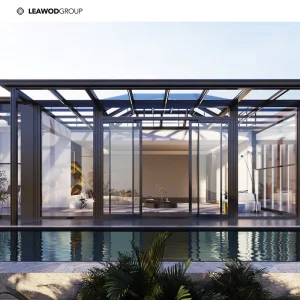
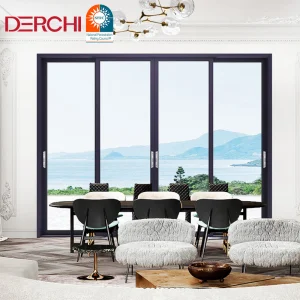
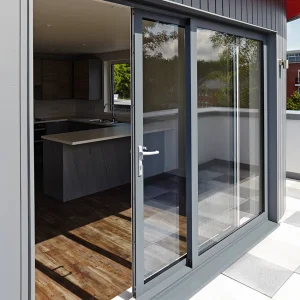
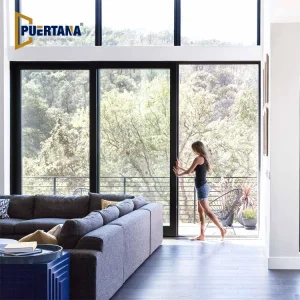
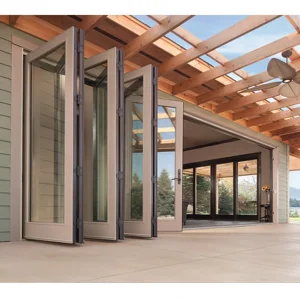
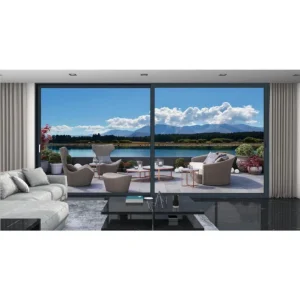
The contemporary construction landscape is undergoing a paradigm shift, placing a massive premium on the transition between indoor sanctuary and outdoor natural environment. Stackable glass walls have evolved from high-end architectural luxuries to fundamental infrastructure elements across both modern commercial complexes and premium residential properties. By eliminating visual and structural boundaries, these systems allow architects to achieve unprecedented spatial utility while optimizing daylight penetration.
From an engineering perspective, today's stackable glass walls are complex load-transferred systems designed to withstand high winds, mitigate acoustic pollution, and maintain tight thermal envelopes. As building codes worldwide enforce stricter limits on operational emissions, factories must provide structural units that balance aesthetics with high performance. OEM/ODM customization lies at the core of this trend, enabling tailored profile designs, specific acoustic ratings, and architectural finishes that meet regional safety and engineering mandates.
Did you know? Modern architectural frameworks now utilize structural thermal breaks and triple-layered glazing configurations to achieve U-values low enough to meet passive house standards in climates as harsh as Northern Europe and Northern Canada.