Slander Door
Slander Door
Slander Door
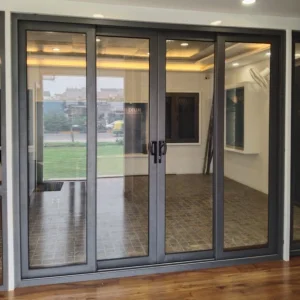
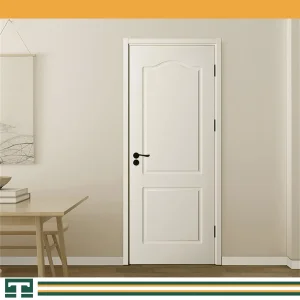
In high-performance commercial and premium residential architecture, the Wood Flush Door is no longer just a physical barrier; it is an engineered component integrated into the building’s thermal, acoustic, and safety ecosystem. When architectural designers and global procurement heads specify wood flush doors, they face a complex matrix of fire-ratings, sound transmission class (STC) standards, environmental criteria, and aesthetic durability requirements.
As a leading manufacturer, Zhejiang Slander Door Co., Ltd. approaches wood flush door manufacturing with a commitment to strict engineering standards. Flush doors feature flat, smooth surfaces on both sides, constructed by bonding structural faces (veneers, HDF, or laminate sheets) to a solid, semi-solid, or hollow core. But the difference between a residential grade door and an architectural-spec structural flush door lies in the quality of core materials, the chemistry of adhesives, and the precision of factory edge-banding.
By implementing hot-press laminating machinery and multi-axis CNC routing systems, our manufacturing processes guarantee dimensional stability, minimizing warp even under extreme relative humidity differentials. Understanding these underlying material mechanics is vital for commercial developers looking to minimize long-term maintenance cycles and post-installation warping.
Established in 1994, Zhejiang Slander Door Co., Ltd. has grown to become a leading name in the custom door and window manufacturing industry in China. With nearly three decades of hands-on industrial experience, we have transitioned from a localized production shop to a state-of-the-art developer and international supplier of high-end architectural door systems.
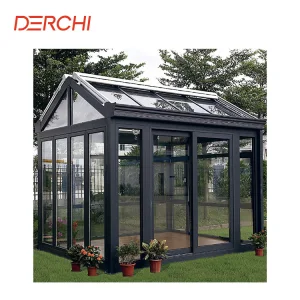
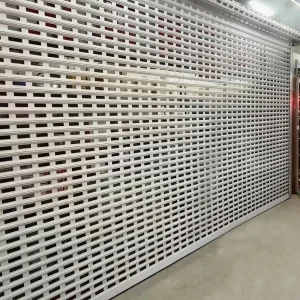
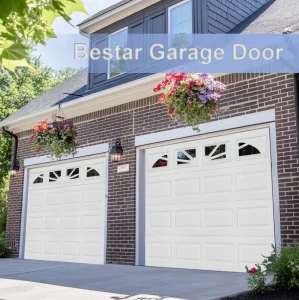
Our manufacturing capabilities encompass a wide array of high-quality products. We specialize in customized commercial and residential solutions including robust garage doors, industrial rolling shutter doors, sophisticated folding doors, high-performance aluminum-clad wood doors, architectural sunrooms, traditional wrought iron gates, and secure fence railings.
Embracing global architectural trends, Slander has integrated modular design principles, expanding our capabilities into advanced structures such as insulated container houses, prefabricated Apple houses, and bespoke curtain walls. This comprehensive portfolio ensures a true one-stop procurement hub for global developers, general contractors, and distributors.
Certified compliant under the EU Construction Products Regulation (No 305/2011) and CPD Directive 89/106/EEC.
A modern 17,000㎡ plant, housing advanced automated cutting and laminating systems operated by over 100 industry experts.

Sourcing wood flush doors from China offers distinct supply chain advantages. Through strategic clustering of raw material suppliers, chemical adhesive manufacturers, and specialized hardware suppliers, manufacturers like Zhejiang Slander optimize production cycles and control material costs.
Our proximity to local and international sustainable forestry clusters ensures access to high-density hardwoods, FSC-certified pine, and specialized composite cores, balancing strength and environmental compliance.
We utilize precision CNC routing lines and automated edge-banding machines. By eliminating manual sizing errors, we achieve strict tolerances within ±0.5mm, ensuring seamless fits for pre-hung assemblies.
With an annual capacity of over 10,000 architectural door units, our factory operates on optimized workflow schedules that reduce setup times, allowing us to offer standard quotes within 24 hours.
Located in Zhejiang, we benefit from direct deep-water port access (Ningbo/Shanghai). This facilitates efficient sea freight arrangements, protective container packaging, and reliable transit times.
Building codes and regulatory requirements for interior and exterior doors vary significantly by country. Exporting architectural doors requires careful alignment with local standards to ensure smooth project approvals and site installations.
Compliance with ANSI/WDMA I.S.1-A and AWI (Architectural Woodwork Institute) quality standards is critical. Doors destined for North America can be constructed with mineral-core substrates to achieve fire protection ratings of 20, 45, 60, or 90 minutes, meeting UL 10C and NFPA 252 standards.
Our products align with EN 14351-1 and carry CE marking where applicable. Under EU No 305/2011 (Construction Products Regulation), Slander doors undergo rigorous fire resistance testing (EN 1634-1) and acoustic performance testing (EN ISO 10140), certifying their suitability for use across the EU.
With green building certifications like LEED and BREEAM defining modern construction, we source low-formaldehyde adhesives (meeting CARB Phase II and ULEF limits) and FSC-certified wood cores. This ensures our wood flush doors contribute to indoor environmental quality (IEQ) credits.
To ensure smooth installation, Zhejiang Slander offers localization services, including custom hinge prep, pre-drilled locks, and card-reader system prep according to customer templates. This precision detailing reduces on-site labor and avoids costly errors.
Enterprise procurement professionals look beyond unit prices; they prioritize structural warranty, volume production capabilities, and cross-project consistency. High-performance wood flush doors are engineered to perform reliably across varied institutional and commercial environments:
Hotels require wood flush doors with strong acoustic performance (STC 35 to STC 45+) to minimize noise transmission between hallways and guestrooms. High-pressure laminates (HPL) or natural wood veneers finished with UV-cured acrylic polyurethane provide long-term protection against heavy guest traffic.
Hospitals and clinics require doors that withstand frequent impact from carts and beds, along with harsh chemical disinfectants. We construct flush doors with heavy-duty PVC edges, impact-resistant face panels, and non-porous surfaces to support infection control and hygiene protocols.
Schools demand high durability. Solid wood stave cores or particleboard cores (LD-1/LD-2 grades) are recommended to ensure reliable screw-holding capability for heavy-duty door closers and panic hardware. Additionally, low-VOC finishes help protect indoor air quality in learning spaces.
For high-end residential developments, flush doors offer a clean, minimalist aesthetic. Options include hidden hinges, magnetic latches, floor-to-ceiling heights, and matched wood veneers (book-matched or slip-matched) to align with high-end interior designs.
The flush door market is evolving rapidly, driven by smart home integration, advancements in polymer science, and strict carbon reduction regulations. Zhejiang Slander continuously monitors these developments, incorporating new technologies into our production lines:
Traditional solid wood doors are heavy, placing extra strain on pivots and frames. Innovation in core manufacturing has led to engineered composite mineral boards and low-density agricultural waste boards (such as wheat straw and sugarcane bagasse). These materials provide strong structural integrity, flame-retardant properties, and excellent sound isolation while reducing overall weight.
Modern finishes prioritize environmental safety. Water-based stains and solvent-free UV coatings protect wood grain without releasing harmful VOCs. For healthcare and high-traffic areas, we apply silver-ion antimicrobial topcoats that restrict bacterial reproduction on door surfaces, supporting hygiene protocols.
Commercial door design increasingly integrates digital access control. Slander doors can be pre-engineered with internal wireways. This allows lock manufacturers to route electrical cabling through the core of the flush door to power smart locks, card readers, and hidden sensory hardware without compromising fire ratings.
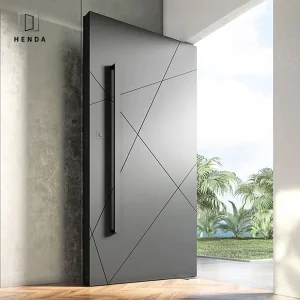
Architectural styles favor sleek, frameless designs. This has led to growing demand for pocket doors and pivot-pivot flush doors. These systems run on heavy-duty hidden tracks or floor-bearing pivots, aligning the door face flush with the drywall for a clean visual transition.
Here are answers to the key technical, regulatory, and logistics questions asked by general contractors, architects, and procurement officers sourcing commercial doors:
Solid Core: Typically constructed with particleboard, stave lumber, or structural composite lumber (SCL). These cores provide strong impact resistance, sound isolation, and stability, making them suitable for standard commercial use.
Hollow Core: Features a cellular honeycomb or ladder-type support grid inside. They are lightweight and economical, best suited for interior residential rooms with minimal traffic.
Mineral Core: Made from non-combustible minerals. These cores are designed for high-heat conditions and are specified when fire ratings of 45 to 90 minutes are required by building codes.
Our fire-rated doors are built according to European standards (EN 1634-1) and US standards (UL 10C / NFPA 252). We use certified mineral cores, non-combustible sealants, and expanding intumescent strips along the edges. When exposed to heat, these strips expand to seal the gap between the door and frame, blocking smoke and flame.
We offer three main finish options:
1. Natural Hardwood Veneers: Including Oak, Walnut, Teak, and Cherry. Veneers can be book-matched or slip-matched and finished with clear protective coatings.
2. High-Pressure Laminate (HPL): Offers strong resistance to impact, scratches, and chemicals, making it ideal for schools and healthcare facilities.
3. Primed / Paint-Ready Surfaces: Smooth HDF skins that are ready for field painting to match interior wall colors.
Yes. Our CNC wood-routing lines allow us to mill hinge mortises, lock bores, wireways, and card readers according to your technical drawings. Pre-machining at the factory ensures clean cuts and saves installation time on site.
Our standard production lead time is 30 to 45 days from shop drawing approval and deposit receipt, depending on order size and customization. We pack the doors in protective wood crates with corner guards to prevent shifting during transit. Shipments are handled through Ningbo or Shanghai ports.