Slander Door
Industrial Overhead Doors play a crucial role in various industries worldwide. These doors are essential for ensuring safety, efficiency, and convenience in commercial spaces. They provide easy access while maintaining security and environmental control. The right choice of Industrial Overhead Doors can significantly influence operations.
Selecting the best doors involves understanding specific needs. Various options exist, ranging from rolling steel doors to insulated variants. Each type has its advantages and disadvantages, and buyers must evaluate these carefully. Features like durability, energy efficiency, and ease of maintenance should also be considered.
However, not all products are perfect. Some doors may require frequent repairs, while others might not withstand extreme conditions. This reflects the importance of detailed research and expert advice. Buyers must weigh various factors before making a decision. In this guide, we will explore the top 10 Industrial Overhead Doors that cater to global buyers, highlighting key features and potential drawbacks.
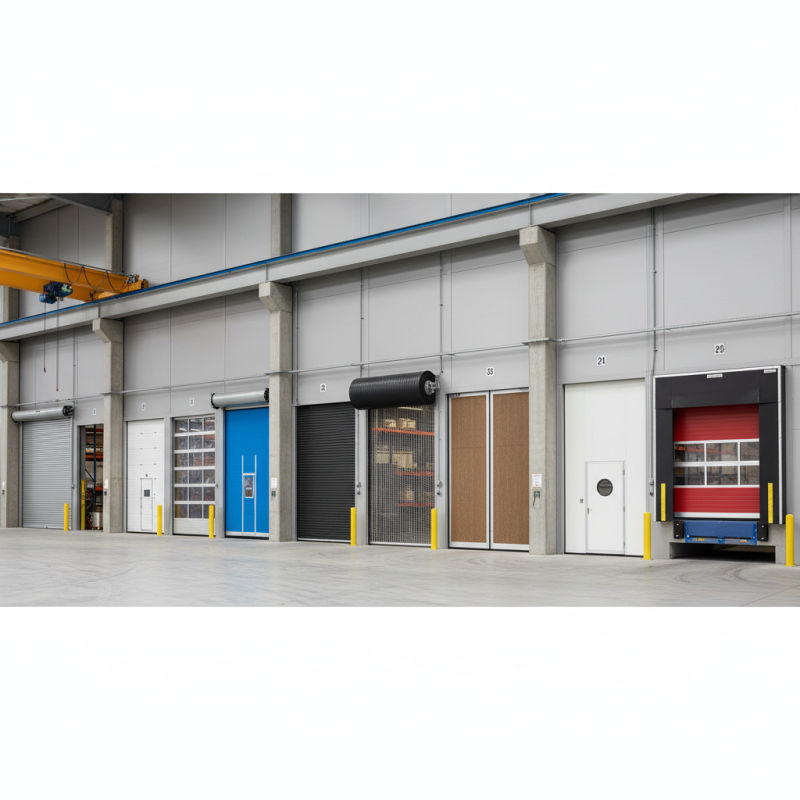
Industrial overhead doors serve a vital role across various sectors. From manufacturing to logistics, these doors ensure seamless operations. According to a recent report by MarketsandMarkets, the global industrial door market is expected to reach $15 billion by 2026. This growth indicates a rising demand for efficient and durable door solutions.
There are various types of industrial overhead doors tailored for specific applications. Rolling steel doors offer security in high-traffic areas. Their robust construction withstands wear and tear, making them ideal for warehouses. On the other hand, insulated doors provide energy efficiency. They are crucial in temperature-controlled environments, such as food processing plants. According to the Department of Energy, insulated doors can reduce energy costs by 20% or more.
However, selecting the right door can be challenging. Factors like climate, location, and traffic volume must be considered. Many buyers face difficulties in balancing cost-effectiveness and quality. The quality of materials used in construction also impacts longevity and performance. Insufficient research can lead to mismatches between door types and operational needs, showcasing a gap in buyer awareness.
When selecting industrial overhead doors, several key features require careful consideration.
Durability is paramount. Look for materials that withstand harsh weather and heavy usage.
Steel and reinforced aluminum offer strength and longevity.
Insulation is another critical factor. It helps maintain consistent temperatures, which is vital for energy efficiency.
Safety features cannot be overlooked.
Sensors that detect objects in the way can prevent accidents.
Emergency release mechanisms ensure quick access during emergencies. Additionally, consider the door's operational mechanism.
Manual doors may reduce costs but can increase labor.
Automatic doors enhance convenience but may have higher maintenance demands.
Aesthetics, though often secondary, play a role too.
The appearance of your overhead door impacts your facility's image.
Choose colors and styles that align with your branding. Keep in mind that every choice made during the selection process reflects on your operational efficiency.
Balancing functionality with appearance can be a challenge. Each element needs thorough reflection to ensure the best fit for your needs.
When choosing industrial overhead doors, it's important to consider several key brands known for quality and reliability. These doors are essential for various industries, providing security and efficiency. Some brands focus on energy efficiency, while others emphasize durability or customized solutions to suit specific needs. Investing in a high-quality door can significantly enhance operational productivity.
Tips: Pay attention to the materials used in the door's construction. Steel doors usually offer more strength, while insulated doors can improve energy efficiency. Installation is another critical factor. Ensure the installation process is handled by experienced professionals to avoid future complications.
Additionally, researching customer reviews and industry ratings can provide insights into each brand’s performance. Potential buyers should reflect on their specific needs. What features are essential? Is maintenance accessible? These questions will guide the choice of the best overhead door. Keep in mind that preferences may vary across different markets and sectors. Aim for a balance between quality and cost-effectiveness, as this will serve your operation in the long term.
Selecting the right industrial overhead door involves a careful assessment of cost, durability, and performance. For businesses aiming for long-term investment, durability should be a top priority. Some doors are engineered with thicker materials, providing enhanced strength against wear and tear. On the other hand, lighter options may reduce upfront costs but could result in higher maintenance expenses over time.
Performance is equally critical. Different types of doors offer various benefits. For instance, some might be better suited for high-traffic areas, while others excel in thermal insulation. This can lead to significant energy savings. It’s vital to choose a solution that aligns with the specific operational needs of your facility. Be wary of options that perform well in isolation but do not integrate smoothly with existing systems.
Tips: Always request performance data and customer reviews before making a decision. This gives insights into how a product has fared in real-world conditions. Do consider the potential impact of external factors, like local climate, on door longevity. Take the time to ensure your choice is well-informed rather than impulsive. A structured decision-making process can prevent costly mistakes down the road.
When installing industrial overhead doors, proper preparation is essential. Ensure the door frame is level and square. Misalignment can lead to functionality issues over time. Use a power drill and appropriate anchors for a secure fit. Pay attention to spacing; it impacts insulation and energy efficiency. Make sure to check all moving parts before securing everything. A small oversight can lead to more significant repairs later.
Routine maintenance is just as crucial. Regularly inspect the tracks, rollers, and springs for signs of wear. Lubrication should be applied to moving components to ensure smooth operation. Look for rust or corrosion, which can compromise the door's integrity. Seasonal checks can help identify minor issues before they escalate. A door that doesn't open or close correctly can affect workflow. Therefore, investing time in maintenance pays off.
Establish a checklist for your maintenance routine. Document any repairs or adjustments made. This practice not only helps track the door's condition but also flags any recurring problems. Evaluating performance can encourage proactive measures. Industrial overhead doors are a vital part of operations, requiring attention to keep them functioning optimally.
| Door Type | Material | Insulation R-Value | Max Height (ft) | Operation Type | Average Price (USD) | Maintenance Frequency |
|---|---|---|---|---|---|---|
| Sectional Door | Steel | R-16 | 20 | Automatic | 1,500 | Annual |
| Roll-Up Door | Aluminum | R-10 | 18 | Manual | 1,200 | Biannual |
| High-Speed Door | Fabric | R-5 | 15 | Automatic | 3,000 | Quarterly |
| Fire Door | Steel | R-12 | 10 | Manual | 2,000 | Annual |
| Dock Leveler Door | Steel | R-8 | 12 | Automatic | 2,500 | Biannual |
| Fold-Up Door | Steel | R-15 | 14 | Manual | 1,800 | Annual |
| Quarantine Door | Stainless Steel | R-20 | 16 | Automatic | 3,500 | Monthly |
| Insulated Door | Polyurethane | R-30 | 22 | Automatic | 2,800 | Biannual |
| Vertical Lift Door | Steel | R-14 | 15 | Automatic | 3,000 | Annual |
| Heavy-Duty Door | Steel | R-15 | 25 | Manual | 4,000 | Monthly |
: Choose materials like steel or reinforced aluminum. They resist harsh weather and heavy usage well.
Insulation maintains consistent temperatures. This factor is crucial for energy efficiency in your facility.
Look for sensors that detect objects and emergency release mechanisms. These features can prevent accidents and ensure safety.
Manual doors can cut costs, but require more labor. Automatic doors offer convenience but might need more maintenance.
While secondary, aesthetics affect your facility’s image. Choose designs that align with your branding for a better impression.
Yes, customer reviews provide insights into performance. They help you understand how the doors perform in real conditions.
Proper installation by professionals can prevent future complications. Be careful with DIY approaches if you're not experienced.
Aim for durable materials that offer reasonable pricing. Don’t compromise performance for lower upfront costs; consider long-term impact.
Yes, assess if the door suits your traffic levels and energy requirements. Misalignment can lead to inefficiencies in operation.
Take time to assess performance data and reflect on your specific needs. A thoughtful approach prevents costly mistakes later.
Industrial Overhead Doors are essential components for various industrial applications, offering versatility and efficiency. When selecting these doors, it is crucial to consider factors such as material type, insulation properties, and ease of operation. Understanding the different types of industrial overhead doors available can help buyers choose the most suitable option for their specific needs.
In addition to examining the key features and types, a comparative analysis of cost, durability, and performance is vital for making informed purchasing decisions. Proper installation and ongoing maintenance are also critical to ensure the longevity and functionality of industrial overhead doors. By following expert tips on installation and maintenance, buyers can enhance the effectiveness and lifespan of their overhead door systems, maximizing their investment in these crucial industrial assets.
