Slander Door Slander Door

5 Tips for Measuring a Replacement Retractable Screen Door

Time:2026-11-01 Author:Amelia
0%

A replacement retractable screen door can look like a simple purchase, but the fit depends on careful measurements. A few millimeters can affect how the housing sits, how the screen travels, and whether the edges leave unwanted gaps. The existing unit may offer clues, but it is not always a reliable template. It could be mounted differently or have shifted over time.

This guide explains How to measure for a replacement retractable screen door using clear, practical checks. You will learn why it helps to measure the opening’s width at the top, middle, and bottom, then compare the height on both sides. A metal tape measure, a notepad, and a second person can make the task easier. Small details matter.

The five tips also cover the mounting surface, door-frame shape, and nearby handles or trim that may obstruct installation. Record the actual opening dimensions before comparing them with a product’s sizing chart. Do not assume the listed screen size matches the space it fits; manufacturers may describe sizes differently. Check the installation instructions, too. They can clarify whether measurements should include a mounting channel or account for uneven surfaces. If readings differ, pause and check again rather than choosing the most convenient number. It can feel fussy. But a few extra minutes with the tape measure may prevent a screen that binds, sits crooked, or leaves a visible gap.
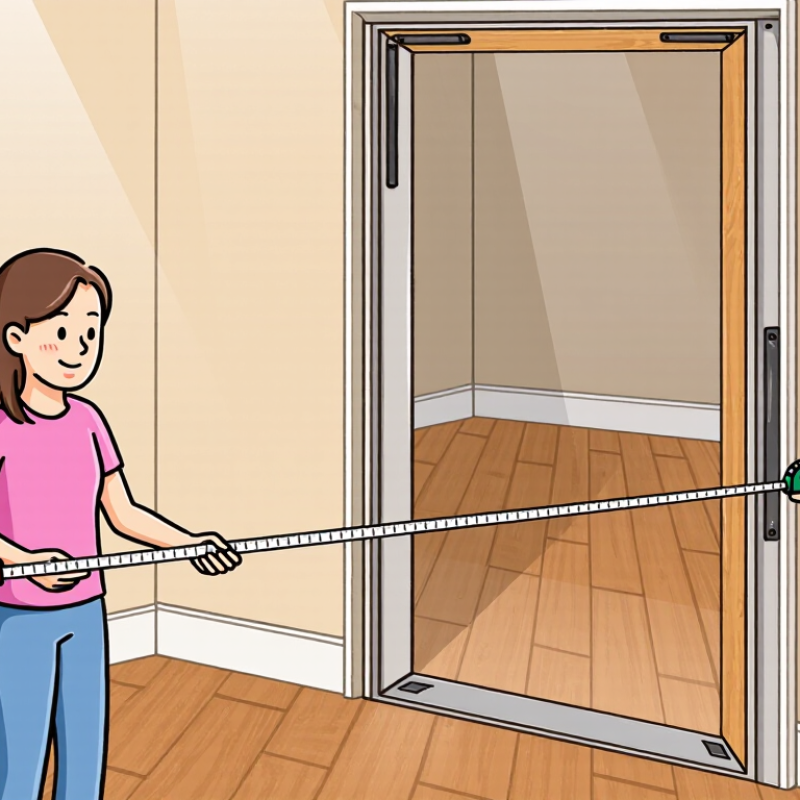
5 Tips for Measuring a Replacement Retractable Screen Door

Identify the Mounting Style and Measure the Frame’s Clear Opening

Before measuring, identify how the old screen is mounted. A surface-mounted unit sits on the face of the trim; an inside-mounted unit fits within the doorway frame. Look for screws, side tracks, and a cassette housing along one edge. The mounting style affects where the replacement will sit, so don’t measure the old screen itself. Measure the opening it needs to cover. If the setup is unclear, take a photo and check the replacement unit’s installation instructions before ordering. Small details matter.

Measure the frame’s clear opening from the inside edge of one jamb to the inside edge of the other. Check the width at the top, middle, and bottom, and record all three numbers. Do the same for height, measuring from the sill or threshold to the top of the opening. Use the smallest width and height as a cautious reference, but confirm how the replacement’s guide defines its required measurements. A tape measure can tilt, especially near a raised threshold. Keep it straight, and note any trim or hardware that narrows the usable space. Write each measurement down. I’ve found that rechecking once can catch a small mistake; it still isn’t a substitute for following the unit’s fitting instructions.

5 Tips for Measuring a Replacement Retractable Screen Door

Identify the mounting style and measure the frame’s clear opening. The chart shows example measurements taken at three points across the width and three points across the height. Use your own measurements when selecting a replacement.

Tip: Measure width at the top, middle, and bottom, then height at the left, center, and right. Use the narrowest width and shortest height, and confirm the mounting style and available mounting surface before ordering.

Measure Width at 3 Points and Record the Narrowest Dimension

For a replacement retractable screen door, measure the width at the top, middle, and bottom of the opening. Measure between the intended mounting surfaces, not between decorative trim edges. Keep the tape straight and snug, but do not bend it around uneven corners. Record all three readings. Write each down.

Use the narrowest measurement when checking whether a replacement unit will fit. For example, readings of 36 1/8, 36, and 35 7/8 inches mean the smallest width is 35 7/8 inches. Do not average the numbers. A narrower point may limit how the cassette or tracks can be installed, even if the other measurements are larger.

It is easy to rush this part. I’d recheck any reading that seems surprising, especially if the frame looks uneven. If the three numbers differ noticeably, inspect for bowed surfaces or obstructions, then compare the narrowest measurement with the unit’s fitting instructions.

A second measurement can catch a tape that slipped. Little details matter.

Measure Height at 3 Points and Record the Shortest Dimension

Measure the opening height at three points: near the left jamb, at the center, and near the right jamb. Use the same starting and ending surfaces for all three measurements. Measure from the top mounting surface down to the threshold or sill where the screen will fit. Keep the tape straight, and note whether you are recording inches or millimeters. Write down every reading.

Small differences matter. If the three measurements are 80, 79¾, and 80⅛ inches, record 79¾ inches as the usable height. Do not average the numbers or round the shortest one upward; a screen that is too tall may bind or fail to sit properly. Check the replacement unit’s fitting instructions, since some designs require a specific measuring point or clearance. If the sill slopes, the tape shifts, or the readings seem inconsistent, measure again. It is easy to blame the opening when the tape was crooked. A second pass takes little time and can prevent an ill-fitting door.

Check the Frame for Square by Comparing Its Two Diagonal Measurements

Before ordering a replacement retractable screen door, check whether the opening is square. Measure from the upper-left corner to the lower-right, then from the upper-right to the lower-left. Use the same corner points and keep the tape taut. Write down both measurements. A difference means the frame may be racked; it does not tell you which side caused the problem. A small but useful check.

A small confession: this step is easy to rush. Repeat each diagonal measurement, and inspect the corners for loose trim or a visibly bowed jamb. If the numbers differ, measure the opening’s width and height at several points too. Don’t average the diagonals and assume the frame will fit. Houzz’s 2024 U.S. Houzz & Home Study reported a $24,000 median renovation spend for 2023. That figure covers home renovations broadly, not screen doors, but it underscores why avoiding preventable rework matters. If the diagonals remain unequal, ask the door supplier or an experienced installer how the product handles an out-of-square opening before you order.

Record All Measurements to the Nearest 1/8 Inch and Check the Manufacturer’s Fit Tolerances

Measure the opening, not the old screen frame. Record width at the top, middle, and bottom, then height at the left, center, and right. Write every figure to the nearest 1/8 inch. Small differences matter. Note whether trim, tracks, or a sloped sill affect the usable opening. Check both diagonals, too; unequal readings may signal a frame that is out of square. A tape can flex, so repeat any measurement that looks inconsistent.

Compare the smallest width and height with the replacement door’s stated fit range. Do not assume every manufacturer allows the same clearance. ASTM E2112-19 addresses installation conditions for exterior windows and doors, but it does not establish one universal tolerance for retractable screens. Follow the product’s own instructions. The U.S. Department of Energy reports that heat gain and loss through windows account for about 25%–30% of residential heating and cooling energy use; that figure concerns windows, not screen doors, but it illustrates why accurate exterior-opening work deserves care. A screen is different. I have still found that rushing the notes is easy, especially when the frame looks square. Keep the raw readings, not just the final number. If your measurements sit near the stated limit, verify them before ordering.

FAQS

How can I tell how the old screen is mounted?

A surface-mounted screen sits on the trim. An inside-mounted screen fits within the doorway frame. Look for screws, side tracks, or a cassette housing.

What part of the doorway should I measure?

Measure the clear opening, not the old screen. Measure between the jambs and from the sill or threshold to the top.

Where should I measure the opening’s width and height?

Check width at the top, middle, and bottom. Check height on the left, center, and right. Keep the tape straight.

Which measurements should I use as a cautious reference?

Use the smallest recorded width and height. Then compare them with the replacement’s stated fit range. Instructions vary.

How do I check whether the frame is square?

Measure both diagonals between opposite corners. Keep the tape taut and use the same corner points each time.

What if the diagonal measurements do not match?

The frame may be out of square, but the readings do not identify the cause. Repeat them and inspect for loose trim or a bowed jamb.

How precise should my measurements be?

Record each reading to the nearest 1/8 inch. Keep the original numbers, even if you also note a smaller final measurement.

What should I do if the setup or fit seems unclear?

Take a clear photo and check the replacement’s installation instructions before ordering. I still rush this part sometimes, so a second check helps.

Conclusion

How to measure for a replacement retractable screen door begins with identifying how the existing unit is mounted and locating the frame’s clear opening—the space the new screen must fit within. Measure the opening’s width at the top, middle, and bottom, then record the narrowest result. Repeat the process for height, measuring on the left, center, and right and using the shortest measurement. These steps account for small variations in the frame and help prevent a replacement from being too large to install.

Next, check whether the frame is square by measuring both diagonals from corner to corner and comparing the results. Record every measurement to the nearest 1/8 inch, keeping the width, height, and diagonal figures clearly labeled. Before ordering, compare your recorded dimensions with the manufacturer’s fit tolerances, since installation requirements can vary. Careful, consistent measurements make it easier to choose a replacement that fits the opening properly.

Amelia

Amelia

Amelia is a seasoned marketing professional with a wealth of expertise in our company’s core offerings. With an unwavering passion for driving growth and innovation, she plays a pivotal role in shaping our marketing strategies and enhancing brand visibility. A key aspect of her responsibilities......