Slander Door Slander Door

Why Are Multi Stacking Doors Best for Wide Openings?

Time:2026-11-22 Author:Liam
0%

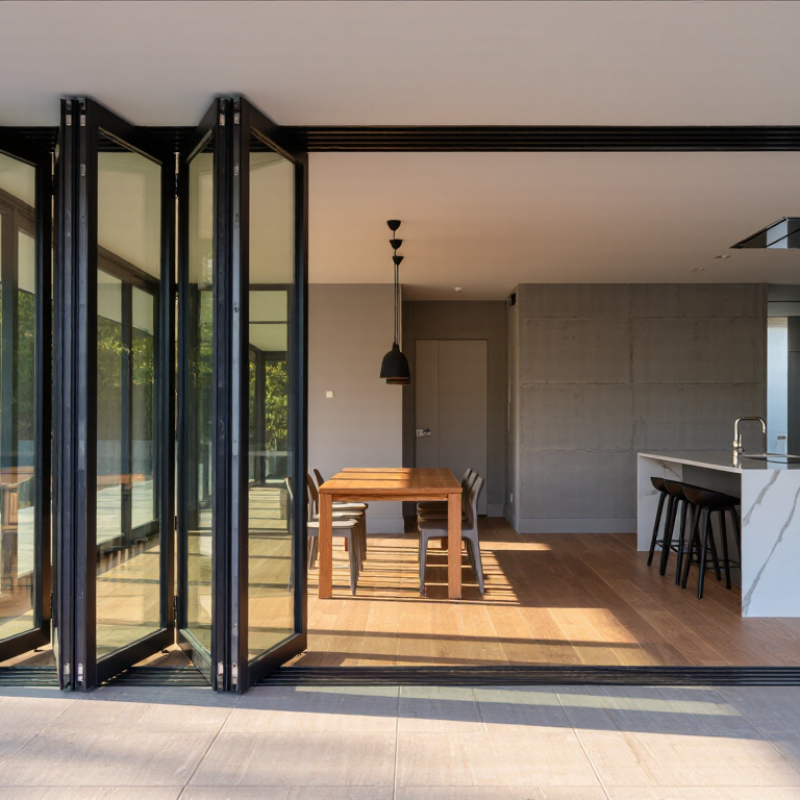
Why is a multi-stacking door better for wide openings? The answer often comes down to how much of the opening can be cleared. Instead of leaving several hinged leaves projecting into a room or patio, multi-stacking panels slide along a track and gather at one or both sides. On a warm afternoon, that can turn a broad wall into a generous passage, with fewer panels interrupting the view. The effect is especially noticeable beside a dining table or kitchen island, where a swinging door would take up valuable floor space.

Architect Frank Lloyd Wright captured a broader design principle: “The space within becomes the reality of the building.” His words were not about modern stacking doors, but they help explain why opening design matters. A well-planned system can connect indoor and outdoor areas while keeping the opening flexible in changing weather. Still, the trade-off is real. More panels mean more rollers, joints, and seals to specify and maintain. Track drainage, frame strength, glass weight, and installation accuracy all deserve attention. A poorly fitted system may feel stiff or admit drafts, even when its appearance is striking.

The best choice depends on the opening, local exposure, and how often the doors will move. Ask for panel-weight limits, hardware details, and performance information—not just a wide product photo. Check how the panels stack, where the handle lands, and whether the threshold suits everyday access. Small details matter. Multi-stacking doors can make a wide opening feel remarkably open, but good design begins with honest measurements and realistic expectations.
Why Are Multi Stacking Doors Best for Wide Openings?

What Multi-Stacking Doors Are and How They Work

Multi-stacking doors use several sliding panels that travel along one or more tracks. When opened, the panels gather at one end or slide into a wall pocket, depending on the design. Unlike a folding door, each panel usually moves horizontally on rollers rather than hinging into a concertina. The track, panel interlocks, and locking hardware work together to support smooth movement and a secure closed position. They stack neatly.

The system suits wide openings because it can clear much of the doorway without requiring a large swing area. But panel weight, track alignment, drainage, and weather seals matter. A slightly uneven threshold can make heavy panels drag or leave small gaps.

The U.S. Department of Energy’s Energy Saver guidance estimates that windows account for about 25–30% of residential heating and cooling energy use. That figure concerns windows, not multi-stacking doors, but it highlights why glazing and frame performance deserve attention across large glazed openings. Check the specified U-factor and solar heat gain coefficient, rather than judging performance by appearance alone.

Tips: Before ordering, measure the finished opening in several places and confirm where the panels will stack. Ask how the threshold drains and how the rollers can be adjusted. A flush sill looks clean, but weather protection may need extra care.

How Panels Move to Create a Wide, Clear Opening

Multi-stacking doors create a wide opening by moving several panels along a track and gathering them at one side. Depending on the system, panels may slide individually or connect in sequence, so one movement draws the next panel along. The panels stack neatly instead of occupying the full opening. That leaves more of the doorway clear for daylight, fresh air, and an easier path between rooms.

The result depends on the opening, track layout, and space available for the stacked panels. A wide clear span can suit a kitchen opening onto a patio or a large living area. But the panels still need somewhere to park, and the track must stay clean for smooth movement. In everyday use, a small amount of dirt or a misaligned panel can make operation feel less effortless than expected. Measure twice. Check where the panels will gather before choosing a layout.

Tips: Ask how many panels move together, which side they stack on, and how much clear width remains when open. Keep the track free of grit, and test the doors gently during routine checks. A little friction is worth investigating early.

Why Their Design Suits Expansive Doorways

Multi stacking doors suit expansive doorways because several panels move along a track and gather at one side. When open, they can leave a broad passage between indoor and outdoor spaces. That changes how a room feels. A dining table can sit near the opening without blocking a single large swinging door, and guests can move through with less awkward shuffling.

The design works best when the opening, track, and panel sizes are planned together. Wider panels may reduce the number of vertical frames, but they also add weight and require suitable hardware. A level, well-supported track helps panels glide smoothly; even a small installation error can make daily operation frustrating. Check how much wall space the stacked panels occupy, too. They do not disappear. Threshold height, drainage, and local weather exposure also affect comfort and performance, especially where wind-driven rain is common. There is a trade-off: more panels create flexibility, but more moving parts need adjustment over time. A little inconvenient, perhaps. For a genuinely wide doorway, careful measuring and professional installation matter as much as the door’s appearance.

How They Support Indoor–Outdoor Flow and Flexible Spaces

Multi-stacking doors support indoor–outdoor flow by folding several panels into a compact stack. Open, they create a broad passage for people, daylight, and fresh air. A kitchen can connect directly to a patio dining table; closed, the same room becomes quieter and more contained. The change is tangible, but not automatic. Furniture placement, floor levels, and a clear path outside all affect how smoothly the spaces work.

Flexible spaces need practical details, not just a wide opening. Check that the threshold suits everyday access and that the track can handle leaves and rainwater. Also compare the complete door system’s energy ratings, frame, glazing, and seals.

The U.S. Department of Energy’s Energy Saver guidance estimates that heat gain and heat loss through windows account for about 25–30% of residential heating and cooling energy use. That figure is not specific to stacking doors, but it underlines why large glazed areas deserve careful specification. A beautiful opening can still feel drafty.

Tips: Mark the panels’ stacking area before choosing furniture. Keep the track clean, and confirm drainage and weather-sealing details with the installer. A small floor-height difference can interrupt an otherwise seamless transition.

What to Consider When Choosing a Multi-Stacking Door System

Why Are Multi Stacking Doors Best for Wide Openings?

What to Consider When Choosing a Multi-Stacking Door System

A multi-stacking door can turn a wide wall into a clear opening, but the panel layout matters. Check how many panels are needed, which way they stack, and whether the parked panels will block a walkway or view. Measure the full opening, including finished floors and ceiling clearance. Small site errors can complicate installation.

Thermal performance deserves close attention. The U.S. Department of Energy estimates that windows account for 25–30% of residential heating and cooling energy use; this figure does not specifically measure multi-stacking doors. Compare whole-unit U-factor and solar heat gain coefficient, not glass specifications alone. Also review drainage, threshold height, hardware, and the system’s tested wind and water ratings for your project. A low threshold can ease access, but it may require careful water management. Details matter.

FAQS

How do multi-stacking doors create a wide opening?

Several panels slide along a track and gather at one side. This leaves more of the doorway clear for light, air, and movement.

Where do the panels go when the doors are open?

They park together beside the opening. Check that the stack will not block a walkway, view, or nearby furniture.

What should I measure before choosing a layout?

Measure the finished opening, floor level, ceiling clearance, and space for the parked panels. Measure twice.

Do all panels move together?

Not always. Some systems move panels individually, while others link them so one panel draws the next along.

What can make the doors harder to operate?

Dirt in the track, a misaligned panel, or an unevenly supported track can cause friction. Small problems are easier to investigate early.

What should I compare for thermal performance?

Compare the whole unit’s U-factor and solar heat gain coefficient. Glass figures alone may not describe the door’s overall performance.

Does a low threshold always make a better entrance?

It can make access easier, but drainage needs careful planning. Wind-driven rain may affect comfort and performance.

What should I ask before ordering?

Request a scaled drawing showing the panel stack, track drainage, and remaining clear width. If possible, operate a full-size sample; it may feel heavier than expected.

Conclusion

Multi-stacking doors use several connected panels that slide along tracks and gather neatly to one or both sides of an opening. By moving together in a compact stack, the panels can clear much more of the doorway than a conventional hinged door, creating a broad, unobstructed passage. Their design makes them well suited to expansive openings where access, daylight, and an open outlook are priorities.

Why is a multi-stacking door better for wide openings? It can span a large area while allowing the opening to be adjusted to suit different needs, from a small gap for ventilation to a fully open connection between rooms or between indoor and outdoor spaces. This flexibility supports entertaining, everyday movement, and adaptable living areas. When choosing a system, consider the opening’s dimensions, panel configuration, available track space, ease of operation, weather performance, and the level of maintenance required.

Liam

Liam

Liam is a dedicated marketing professional with a profound expertise in the industry, where he excels at highlighting the unique advantages of our core products. With a keen understanding of market trends and consumer needs, Liam frequently updates our company’s professional blog, providing......