Installing a pocket sliding door can transform your space. It offers a sleek, modern look while saving valuable room. Many homeowners consider this an ideal solution to enhance functionality. However, the question remains: how to install a pocket sliding door in an existing wall?
This process, though rewarding, often presents challenges. You may face issues like measuring correctly or hiding electrical wiring. These tasks require careful planning and precision. Experienced builders recommend assessing your wall structure first. Understanding the existing installation can save time and effort later.
Despite careful preparation, errors and adjustments are common. Mistakes in measurements or alignment can lead to frustrations. Reflecting on these experiences can improve future installations. Seeking advice from professionals can also provide invaluable insights. Learning from each step is essential. The goal is not just to complete the task, but to do it correctly and efficiently.
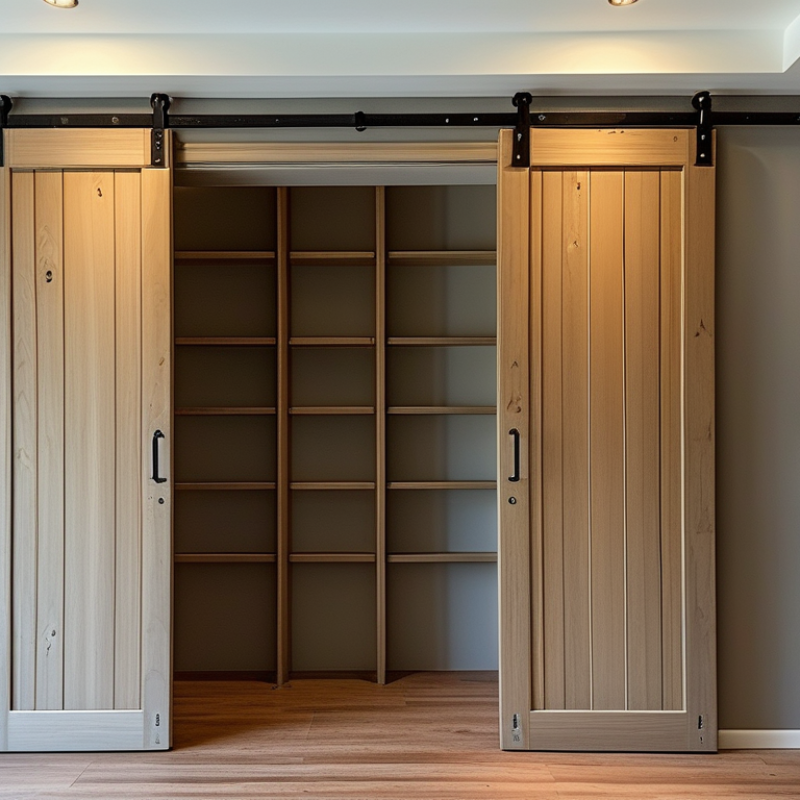
Understanding Pocket Sliding Doors: Benefits and Considerations
Installing a pocket sliding door
can transform a space. These doors slide into a wall, saving floor space. They offer a sleek design, appealing to modern aesthetics. However, there are important benefits and considerations to keep in mind.
One significant benefit is space efficiency. Pocket doors are perfect for small rooms or areas where swinging doors might be impractical. They can create a more open feel, making a room seem larger. Yet, this installation is not always easy. Retrofitting existing walls may require structural changes. This involves cutting through drywall and potentially dealing with plumbing or electrical components.
Tip: Assess the wall’s structure before starting. You may need to consult with a professional if unsure about hidden elements.
Another aspect is privacy. While pocket doors can separate spaces, they may not be as soundproof as traditional doors. Consider soundproofing measures if this is a concern. Still, the aesthetic appeal makes up for some drawbacks.
Tip: For added stability, use high-quality tracks and rollers. This helps ensure smooth operation over time. Take the time to measure carefully; mistakes can lead to regret later on.
Gathering Necessary Tools and Materials for Installation
When installing a pocket sliding door in an existing wall, gathering the right tools and materials is crucial. You will need a stud finder, measuring tape, a level, a circular saw, and screws. According to a report by the National Association of Home Builders, homeowners can enhance their interior spaces with pocket doors, improving both functionality and aesthetics.
Start by assessing your wall. Check if it's a load-bearing wall. If it is, consult a structural engineer. This is essential for safety. You should also consider the door width and height to avoid mismatched dimensions. Opt for a standard size to make installation smoother.
Tips: Always wear safety goggles when using power tools. It’s better to be cautious than regretful. Additionally, when marking cut lines, double-check your measurements. The slightest error can lead to significant adjustments later.
Finally, ensure you have all fasteners and supports ready. This preparation minimizes interruptions during installation. According to home improvement experts, a well-planned installation process typically increases the final outcome's reliability and longevity. Take a moment to reflect on your setup before starting. Solid preparation paves the way for a smoother experience.
Preparing the Existing Wall for Pocket Door Installation
Preparing an existing wall for pocket door installation requires careful planning. Begin by measuring the wall space to determine if it can accommodate a pocket door. Many homes have walls that are 2x4 or 2x6 stud constructions. For optimal results, a pocket door requires a minimum wall width of 2x6. This ensures that the door has enough room to slide into the wall effectively.
Once you’ve confirmed the space, inspect the wall for any electrical wiring or plumbing. A study from the National Association of Home Builders indicates that nearly 40% of home improvement projects involve rerouting utilities. Taking the time to reroute these elements can save a lot of headaches later. Use a stud finder to locate the framing. Remove drywall carefully, and consider patching it after installation for a clean finish.
After clearing the wall, it is wise to reinforce the framing. Adding blocking between the studs can help provide extra support. According to the Home Improvement Research Institute, improper framing is a common error that can lead to door issues. Make sure the pocket door frame is level and square before securing it. If unwanted gaps remain, these could become points of failure later on. Aspiring DIYers should keep in mind that pocket doors can be tricky; small mistakes can lead to big problems.
How to Install a Pocket Sliding Door in an Existing Wall? - Preparing the Existing Wall for Pocket Door Installation
| Step |
Description |
Tools Required |
Estimated Time |
| 1 |
Identify the location for the pocket door. |
Measuring tape, pencil |
30 minutes |
| 2 |
Remove drywall from the area where the door will be installed. |
Drywall saw, utility knife |
1 hour |
| 3 |
Install a header to support the pocket door frame. |
Hammer, nails, level |
1 hour |
| 4 |
Assemble and install the pocket door frame. |
Screwdriver, screws |
1-2 hours |
| 5 |
Hang the pocket door on the installed frame. |
Drill, level |
30 minutes |
| 6 |
Reinstall drywall and finish the wall. |
Drywall tape, joint compound |
2 hours |
Installing the Pocket Door Frame and Hardware
Installing a pocket door frame and hardware can be challenging. However, understanding the basics can simplify the process. Ensure you have the right tools and materials. Accurate measurements are crucial. A miscalculation can lead to frustration later on.
Start by removing the drywall from the wall where the door will fit. Ensure the opening is clean and level. This can be tricky; small errors can escalate the project. It's essential to work carefully. Next, assemble the pocket door frame according to the manufacturer’s instructions. Use a level to check that everything is plumb. This step ensures the door operates smoothly.
Tips: Before installing, double-check your wall's stud location. Mark these spots clearly. This helps in securing the pocket frame properly. Be prepared for adjustments. The alignment might not be perfect on the first try. A slight tweak could make a big difference. Always wear safety goggles when cutting drywall.
After securing the frame, install the hardware. Follow the instructions closely; every piece is important. Test the door’s movement frequently. A door that sticks or jumps can be a major hassle. Reflect on each step, ensuring you’ve followed guidelines. Patience is essential in this process.
Finishing Touches: Trimming and Adjusting the Door for Smooth Operation
When installing a pocket sliding door, the finishing touches are crucial. Trimming the door frame ensures that the door fits snugly within the wall. Proper trimming can eliminate gaps that may affect both aesthetics and functionality. According to a report by the National Association of Realtors, well-fitted doors can boost a home's resale value by up to 20%.
Adjusting the door for smooth operation is also vital. Doors that stick or squeak can be frustrating and prevent optimal use. Regular maintenance, like lubricating track mechanisms, can prolong the life of your installation. A study from the Home Improvement Research Institute noted that homeowners often overlook minor adjustments, leading to bigger problems later. Measuring door alignment is important. If the door does not slide evenly, it might require shimming the frame.
Remember, achieving a perfect fit can be challenging. There may be moments of trial and error, especially if your wall isn't perfectly square. It could take multiple adjustments before you get it just right. Learning from mistakes in the trimming and aligning process can make future projects smoother. Take your time with these finishing touches; they create lasting functionality and elegance.
Conclusion
When considering how to install a pocket sliding door in an existing wall, it’s essential to understand the benefits and considerations associated with these space-saving doors. Pocket doors minimize the need for swing space and can enhance the aesthetic appeal of your home. Before beginning the installation, you should gather all necessary tools and materials, ensuring you are well-prepared.
The next step involves preparing the existing wall by removing any drywall and framing necessary for the door's track system. Once the wall is prepped, you can install the pocket door frame and hardware according to the specific measurements. Finally, finishing touches, such as trimming and adjusting the door, are crucial for ensuring smooth operation. With careful planning and execution, installing a pocket sliding door can significantly improve the functionality of your living space.
 Slander Door
