Slander Door Slander Door

Why and How to Clean Heavy Duty Sliding Door Tracks?

Time:2026-09-20 Author:Amelia
0%

A heavy duty sliding door may look indestructible, yet its tracks collect grit, metal dust, leaves, and hardened grease every day. That buildup increases rolling resistance and can make a large door shudder, scrape, or stop halfway. Learning How to clean the tracks of a heavy duty sliding door protects the rollers, reduces strain on the frame, and helps prevent expensive service calls. It also makes daily operation quieter. Sometimes, the smallest debris causes the biggest problem.

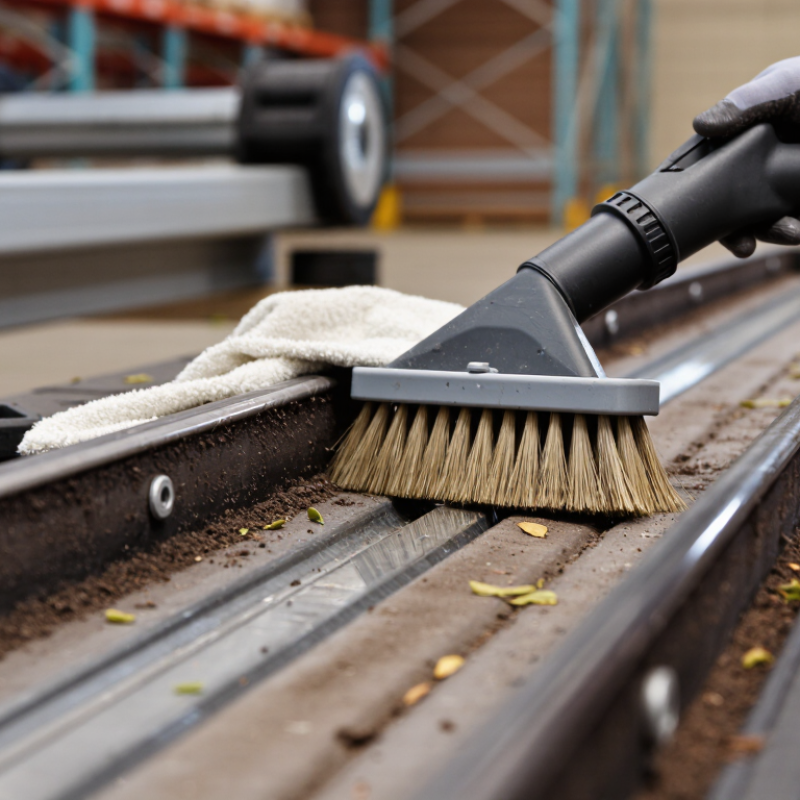
According to commercial door maintenance specialist Daniel Mercer, “A clean track is not just a cosmetic detail; it is the foundation of smooth, predictable door movement.” His advice reflects a practical service principle: remove contamination before adding lubricant. A stiff brush, vacuum, plastic scraper, and damp cloth usually handle routine dirt. Avoid flooding the track, especially near floor drains, sensors, or powered components. Water can hide beneath the rollers and encourage corrosion. That mistake is easy to make.

The cleaning process should begin with the door safely supported and the opening cleared. Check for bent sections, loose fasteners, damaged rollers, and sharp metal edges. Do not force a door that suddenly resists movement. The track may be damaged, not merely dirty. After cleaning, use only a lubricant recommended by the door manufacturer, because heavy grease can trap dust. Maintenance schedules also deserve honest review. A busy warehouse may need weekly inspection, while a lightly used interior door may need less frequent attention. The right interval depends on real conditions, not guesswork.
Why and How to Clean Heavy Duty Sliding Door Tracks?

Why Heavy-Duty Sliding Door Tracks Need Regular Cleaning

Why and How to Clean Heavy-Duty Sliding Door Tracks?

Why Heavy-Duty Sliding Door Tracks Need Regular Cleaning

Heavy-duty sliding door tracks collect grit, metal dust, hair, and moisture every day. Each opening pushes this debris deeper into the channel. Rollers then move across a rough, contaminated surface. The door may feel heavier, sound louder, or stop short of its closing point.

The U.S. Environmental Protection Agency reports that indoor pollutant levels can be two to five times higher than outdoor levels. A neglected track can hold part of that settled dust near busy entrances. The U.S. Bureau of Labor Statistics also reported that slips, trips, and falls represented 20.5% of nonfatal workplace injuries involving days away from work in 2022. A dirty threshold is not automatically the cause, but it deserves attention.

Start with the power isolated, where applicable. Vacuum loose particles before brushing the corners. Use a stiff nylon brush, not a sharp metal tool that can damage the track. Wipe the channel with a lightly damp, lint-free cloth, then dry it fully. Inspect roller edges, drainage holes, fasteners, and worn seals. They often reveal the real problem.

Do not add lubricant to a dirty track. That creates abrasive paste. Use only a compatible, light lubricant on the moving hardware, not across the walking surface. Monthly cleaning may suit a clean office, but loading bays need shorter intervals. That is an imperfect rule. Traffic, weather, and dust levels should decide the schedule.

Why and How to Clean Heavy-Duty Sliding Door Tracks?

Why Heavy-Duty Sliding Door Tracks Need Regular Cleaning

Dirt, metal particles, moisture, and other debris can accumulate inside sliding door tracks. This increases rolling resistance, accelerates wheel and track wear, and may prevent the door from closing smoothly. The chart below provides a practical cleaning schedule based on traffic level and environmental exposure.

In low-traffic indoor areas, cleaning every 8–12 weeks may be sufficient. Busy entrances, outdoor installations, and dusty industrial environments generally require more frequent cleaning. Remove loose debris first, wipe the track with a suitable cleaner, dry it completely, and inspect the rollers before applying only the lubricant recommended for the door system.

How Dirt and Debris Affect Sliding Door Performance

Heavy-duty sliding doors depend on clean, even tracks to move safely. Dirt and debris can collect beneath the rollers, especially near entrances, loading areas, and workshops. Sand acts like grit between moving parts. Small stones can create sudden resistance. The drag increases.

When the track becomes clogged, the door may feel unusually heavy or stop halfway. Rollers can develop flat spots from repeated pressure. Misalignment may follow, leaving uneven gaps at the edges. This can allow drafts, moisture, and insects to enter. A noisy door is often an early warning, not just an inconvenience.

Routine cleaning starts with a visual inspection. Remove loose debris with a vacuum or soft brush. Use a damp cloth and mild detergent for sticky residue. Avoid flooding the track, because trapped water can encourage corrosion. Dry every section completely. Check the rollers, fasteners, and drainage points while cleaning. I once underestimated a thin layer of grit; it looked harmless but made the door jerk badly. That was a useful reminder. Clean the track before adjusting hardware. Excess lubricant can also attract more dust, so apply it sparingly and only where the manufacturer’s maintenance instructions allow. Keep it dry. Even careful cleaning may miss debris under the rollers, so test the door several times and inspect again if movement remains uneven.

Why and How to Clean Heavy Duty Sliding Door Tracks? — How Dirt and Debris Affect Sliding Door Performance

Track Condition Typical Dirt or Debris Visible Symptoms Effect on Door Performance Recommended Cleaning Method Suggested Cleaning Frequency Inspection Focus
Light surface dust Household dust, textile fibers, and small loose particles Minor gray buildup; the door still moves smoothly Low impact; may increase rolling resistance gradually Vacuum the full track, then wipe it with a dry microfiber cloth. Avoid pushing dust into the roller channel. Every 2–4 weeks in normal indoor use Check the corners and areas directly beneath the rollers.
Sand and grit accumulation Outdoor sand, soil particles, gravel dust, and road grit Grinding or crunching sounds; uneven movement Medium to high impact; abrasive particles can wear roller surfaces and track contact points Remove loose grit with a vacuum or soft brush. Wipe with a slightly damp cloth and dry completely. Do not grind particles deeper into the track. Weekly in exterior-facing or high-traffic locations Look for scratches, flattened roller surfaces, and increasing operating force.
Sticky dirt and residue Food residue, cleaning-product film, oils, and moisture-bound dust Door starts or stops abruptly; residue feels tacky Medium impact; sticky deposits can restrict roller rotation and attract more debris Remove loose material first. Use a manufacturer-approved mild detergent diluted in water, then wipe with clean water and dry thoroughly. As soon as residue is noticed; inspect monthly Check whether the residue is on the rolling surface, guide channel, or drainage area.
Hair, threads, and fibers around rollers Human hair, pet hair, carpet fibers, and packaging threads Door feels tight, rollers hesitate, or movement becomes intermittent Medium impact; fibers can wrap around roller axles and reduce free rotation Use tweezers or a small soft brush to remove wrapped fibers. Vacuum afterward. Do not use sharp tools that can damage seals or track finishes. Every 1–2 weeks in homes with pets or textile-heavy areas Inspect roller edges and axle areas rather than only the visible center of the track.
Wet or muddy contamination Mud, rainwater, wet soil, and damp organic material Stiff movement, dirty water marks, or moisture remaining in the channel High impact; moisture combined with dirt can promote corrosion and accelerate wear Remove mud before it dries. Wipe with clean water and a mild detergent if needed, then dry the track, rollers, and drainage paths completely. Immediately after heavy rain, flooding, or muddy traffic Check for blocked drainage openings, rust, pitting, and damaged protective finishes.
Leaves and organic debris Leaves, twigs, seeds, pollen, and decomposing plant matter Door binds near one section of the track; debris is visible in corners High impact; large fragments can obstruct rollers and retain moisture Pick out large debris by hand, brush the channel, vacuum remaining particles, and dry any damp areas. Weekly during autumn or whenever the door is exposed to vegetation Inspect end stops, corners, drainage holes, and sections hidden beneath the door panel.
Construction dust or fine powder Concrete dust, drywall powder, sawdust, and metal filings Rough movement, squeaking, rapid dirt return, or visible powder on rollers High impact; fine abrasive particles can enter bearings and accelerate component wear Use a suitable vacuum with a fine-particle filter. Wipe the track with a clean, slightly damp cloth and repeat until no powder remains. Clean immediately after construction or renovation work; recheck after 24–48 hours Inspect roller bearings, fasteners, seals, and nearby surfaces for embedded particles.
Corrosion or oxidized material Rust flakes, oxidized metal particles, and salt-laden moisture deposits Orange-brown marks, rough spots, flaking finish, or persistent drag High impact; corrosion can reduce track smoothness and damage load-bearing surfaces Remove loose flakes with a soft nylon brush, clean according to the track material, dry fully, and repair or replace damaged components when necessary. Inspect monthly in humid, coastal, or chemically exposed environments Check for pitting, weakened fasteners, damaged coatings, and water sources near the track.
Blocked drainage or weep paths Dust, leaves, insects, mud, and compacted debris Standing water remains after cleaning or rainfall; dampness returns repeatedly High impact; trapped water increases corrosion risk and can freeze in cold conditions Clear openings with a soft brush or vacuum. Flush only when appropriate for the door system, then confirm that water exits freely. Inspect at least monthly and after severe weather Verify that water flows away from the track and does not collect beneath rollers.
Clean and dry track Minimal loose debris; no visible residue or standing moisture Consistent movement with little noise and even gaps around the panel Low impact; normal wear still depends on load, alignment, roller condition, and use Continue vacuuming and wiping as preventive maintenance. Use lubrication only if the door-system instructions specifically allow it. Routine inspection every 1–3 months, adjusted for traffic and exposure Check alignment, roller adjustment, fasteners, seals, and unusual noise.

Cleaning intervals are practical maintenance guidelines. Heavy traffic, outdoor exposure, humidity, construction activity, and local environmental conditions may require more frequent inspection and cleaning.

What Tools and Cleaning Supplies Are Required

Cleaning heavy duty sliding door tracks requires simple tools, but each one has a specific purpose. I use a flashlight to inspect corners and identify packed grit. A vacuum with a narrow nozzle removes loose sand before moisture turns it into paste. A stiff nylon brush reaches the grooves without scratching most track surfaces. For hardened deposits, use a plastic scraper, not a metal blade.

Prepare warm water, a small amount of neutral detergent, and a spray bottle. Keep microfiber cloths nearby for wiping and drying. Wear work gloves, and use eye protection if debris is heavily compacted. A shallow container prevents dirty water from spreading across the floor. Avoid soaking the track. Excess moisture can enter rollers, fasteners, or nearby flooring.

I normally loosen dirt with the brush, vacuum again, then wipe with diluted cleaner. A dry cloth follows immediately. After cleaning, inspect the rollers and apply only a suitable, manufacturer-approved lubricant when needed. Too much lubricant attracts dust. That mistake is easy to make. I once left a thin wet film in one corner, and grit returned within days. A final flashlight check helps, although small particles can remain hidden beneath the door panel. Clean tools also matter; a dirty brush simply moves grit around.

How to Clean Heavy-Duty Sliding Door Tracks Step by Step

Heavy-duty sliding door tracks collect grit, hair, metal dust, and moisture. This buildup increases friction and makes the door harder to move. It can also wear rollers and damage the track surface. Cleaning the track regularly improves movement and helps reveal loose screws, dents, or early corrosion.


Start by opening the door carefully and securing it so it cannot roll. Do not remove a heavy door alone. Vacuum loose debris from both sides of the track. Use a stiff nylon brush to loosen packed dirt in corners. A plastic scraper can lift stubborn deposits without scratching the metal.

Mix warm water with a small amount of mild detergent. Dip a microfiber cloth into the solution, wring it well, and wipe the full track length. Avoid flooding the channel.

Rinse the cloth and remove soap residue. Dry the track completely, especially around drainage holes and end stops. Moisture left behind may encourage corrosion. Apply a small amount of dry lubricant suitable for sliding-door hardware, following its instructions. Too much lubricant attracts fresh dust.

I once used excessive lubricant and had to clean the track again within days. That mistake was useful.

Move the door back and forth several times, then wipe away any residue. Check the rollers afterward, because a clean track cannot correct a damaged roller.

Inspect the track every few months, or more often in dusty or coastal areas.

How to Prevent Future Track Buildup and Damage

Why and How to Clean Heavy Duty Sliding Door Tracks?

Preventing buildup is more effective than removing a hardened blockage. In field maintenance, technicians often find grit packed beneath rollers, especially near entrances. Salt, dust, and moisture create an abrasive paste. It can increase rolling resistance and accelerate corrosion. The NACE IMPACT study estimated global corrosion costs at 3.4% of worldwide gross domestic product. Track protection is a small part of that larger maintenance problem.

Inspect the track weekly in busy facilities. Remove loose particles with a soft brush or vacuum. Wipe the channel with a pH-neutral cleaner, then dry it completely. Never leave standing water inside the track. Check drain openings and keep them clear. Use only lubricant approved by the door manufacturer. Excess grease attracts dust. That mistake is common. Examine rollers, fasteners, seals, and end stops for uneven wear. A door that suddenly feels heavy may already have damaged rollers. Do not force it.

Tips: Place a narrow entrance mat outside the doorway, and replace it when saturated. In coastal or winter areas, inspect after storms or salt exposure. Keep a simple maintenance log with dates, photos, and observed resistance. The U.S. Bureau of Labor Statistics continues to report millions of nonfatal workplace injuries annually, so isolate the door before cleaning. Wear cut-resistant gloves and avoid placing fingers near moving rollers. Manufacturer instructions still matter; field assumptions are not enough.

FAQS

Why should heavy-duty sliding door tracks be cleaned regularly?

Grit, hair, metal dust, and moisture increase friction. Cleaning also reveals loose screws, dents, and early corrosion.

How should I prepare before cleaning a heavy sliding door track?

Open the door carefully and secure it so it cannot move. Do not remove a heavy door alone. Wear cut-resistant gloves.

Which tools are useful for cleaning the track?

Use a vacuum, stiff nylon brush, plastic scraper, microfiber cloth, warm water, and mild detergent. Avoid metal scrapers.

How do I clean stubborn dirt without damaging the track?

Vacuum loose debris first. Brush packed dirt from corners. Lift hard deposits gently with a plastic scraper.

How much water and cleaner should I use?

Mix warm water with a small amount of mild detergent. Wring the cloth well. Never flood the channel.

Why must the track be dried completely?

Water left near drain holes or end stops may encourage corrosion. Dry every section carefully. Moisture causes trouble.

Should I lubricate the track after cleaning?

Apply a small amount of approved dry lubricant. Follow its instructions. Excess lubricant attracts fresh dust.

What should I check after cleaning the track?

Move the door several times, then wipe away residue. Inspect rollers, fasteners, seals, and end stops for uneven wear.

How can I prevent future buildup and damage?

Inspect busy doorways weekly. Use a soft brush or vacuum, keep drain openings clear, and dry the channel. Replace saturated entrance mats.

What safety mistakes should I avoid?

Do not force a suddenly heavy door. Keep fingers away from moving rollers. Isolate the doorway before maintenance. I once used too much lubricant and repeated the cleaning days later.

Conclusion

Heavy-duty sliding door tracks require regular cleaning to maintain smooth, safe, and reliable operation. Dust, sand, hair, grease, and other debris can collect inside the track, increasing friction and placing extra strain on rollers and hardware. Over time, buildup may cause sticking, unusual noise, uneven movement, or premature wear. Learning how to clean the tracks of a heavy duty sliding door helps preserve performance and extends the door’s service life.

The process is straightforward with a vacuum, soft brush, cloth, mild detergent, warm water, and a suitable lubricant. First, remove loose debris, then scrub away stubborn dirt with a damp cloth or brush. Dry the track completely before applying a small amount of compatible lubricant to the moving contact points. Regular inspections and light cleaning can prevent buildup, while keeping the surrounding area free from dirt and moisture reduces the risk of corrosion and damage. Avoid excessive water and harsh chemicals, which may affect the track’s finish or nearby components.

Amelia

Amelia

Amelia is a seasoned marketing professional with a wealth of expertise in our company’s core offerings. With an unwavering passion for driving growth and innovation, she plays a pivotal role in shaping our marketing strategies and enhancing brand visibility. A key aspect of her responsibilities......