Slander Door Slander Door

What Makes a Door Thermal Break and Why It Matters to Buyers

Time:2026-06-28 Author:Charlotte
0%

What makes a door "thermal break" and why does it matter? This question is crucial for both homeowners and builders. According to industry expert Dr. Emily Carter, "A thermal break minimizes energy loss, enhancing comfort and efficiency." This underscores the significance of proper thermal breaks in door manufacturing.

Thermal breaks are materials that reduce heat transfer in doors. They can directly impact energy efficiency and insulation. For buyers, understanding these elements can lead to more informed decisions. Customers often overlook these features, leading to unexpected heating costs.

In the end, taking time to learn about thermal breaks can mean significant savings. A door without proper insulation may lead to discomfort and higher bills. It's essential to recognize the importance of this feature when making a purchase. As the market evolves, staying informed can help buyers avoid costly mistakes.
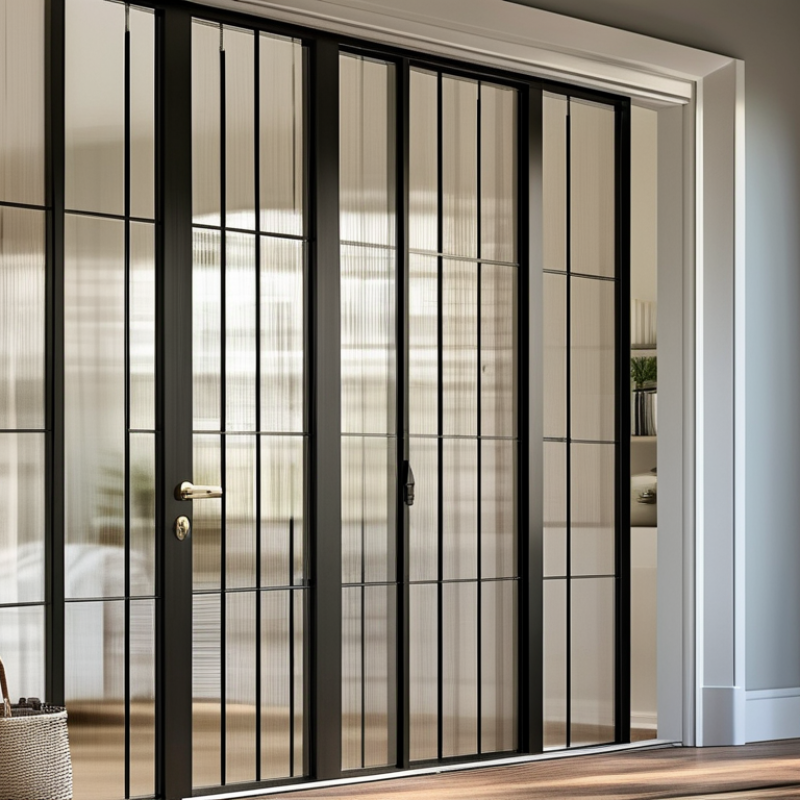
What Makes a Door Thermal Break and Why It Matters to Buyers

Understanding the Concept of Thermal Break in Doors

The thermal break in doors is a crucial feature that buyers should understand. A thermal break is an insulating barrier that separates two conductive materials, usually metal. This design reduces heat transfer and improves energy efficiency. According to the Department of Energy, proper insulation can lead to energy savings of up to 30%. This is significant for homeowners aiming to reduce heating and cooling costs.

Understanding how thermal breaks work can help buyers make informed decisions. For example, doors with thermal breaks can maintain a more consistent indoor temperature. This minimizes energy loss and enhances comfort. Reports indicate that around 70% of energy use in homes goes toward heating and cooling. Therefore, choosing doors with effective thermal breaks can significantly impact overall energy consumption.

While many doors offer this feature, not all thermal breaks are created equal. The materials used and the quality of construction play critical roles in their effectiveness. In some cases, lower-cost options may provide thermal breaks that deteriorate over time. Buyers should inspect the durability and specifications of the thermal break to ensure long-term reliability and performance.

Key Materials Used in Thermal Break Doors

When considering thermal break doors, the materials used are crucial. Typically, thermal break doors employ a core made of materials like polyurethane or polystyrene. These materials offer excellent insulation properties, enhancing energy efficiency. According to the U.S. Department of Energy, homes lose around 30% of their heating and cooling energy through doors and windows. Choosing the right door can significantly reduce this loss.

Aluminum frames are common in thermal break doors. They are often combined with a thermal break material, typically made of polyamide or other resilient compounds. This combination minimizes thermal conductivity. A report from the International Energy Agency indicates that buildings equipped with thermal break technologies can save up to 20% on energy costs.

Tips: Always check the R-value of the materials used. Higher R-values mean better insulation. Also, consider climate factors in your area. Adjustments may be needed to maximize efficiency. Investing in quality thermal break doors yields long-term savings and comfort. Even in high-performance materials, quality can vary. Reflect on product choices carefully.

Benefits of Thermal Break Doors for Energy Efficiency

Thermal break doors are designed to enhance energy efficiency. They feature a plastic or rubber layer that separates the door frame from the outer surface. This gap acts as insulation, reducing heat transfer. According to the U.S. Department of Energy, thermal break technology can reduce energy loss by up to 30%. This leads to significant savings on heating and cooling costs.

Additionally, energy-efficient doors contribute to a more comfortable indoor environment. In the winter, they prevent cold air from entering a home. In summer, they block heat from the outside. A study by the National Institute of Standards and Technology found that homes with thermal break doors had a 25% reduction in energy bills compared to traditional doors.

However, buyers should consider installation and material quality. Not all thermal break doors are made equally. Some may not perform as expected over time. Regular maintenance and proper fitting are crucial for maximizing their benefits. Evaluation of different options before purchasing can help you make a more informed choice.

Impact of Thermal Break Technology on Door Durability

Thermal break technology plays a crucial role in enhancing door durability. This technology uses insulating materials between the outer and inner layers of a door. By doing so, it minimizes heat transfer, which helps prevent warping and bending. This is particularly important in climates that experience extreme temperature fluctuations. A door without a thermal break might buckle under pressure, leading to costly repairs.

Moreover, the impact on energy efficiency is notable. A well-insulated door can significantly reduce heating and cooling costs. Homeowners find comfort in knowing their energy bills will not skyrocket. Investigating thermal break options can be overwhelming. It’s essential to understand that not all thermal breaks are created equal. The quality of material and construction methods can influence performance.

Buyers should consider long-term value over initial costs when selecting doors. Investing in a door with a reliable thermal break can offer greater durability and energy efficiency, reducing future repair needs. However, some might overlook that the proper installation is key to maximizing these benefits. This balance between material choice and installation accuracy is critical. Understanding these nuances can lead to a more informed purchase.

Factors Buyers Should Consider When Choosing Thermal Break Doors

When choosing thermal break doors, buyers should consider insulation performance. Thermal breaks reduce heat transfer, helping keep interiors comfortable and energy bills lower. According to the Department of Energy, homes with proper insulation can save up to 15% on heating and cooling costs annually.


Another key factor is the material used in thermal break doors. Aluminum is frequently used due to its durability. However, without a thermal break, it can conduct heat and cold. Developers suggest incorporating materials such as polyamide or polyurethane insulating foams. These materials improve energy efficiency. Reports indicate that homes with such doors improve indoor temperatures by 10 to 15 degrees.


Aesthetic appeal should not be overlooked. Many modern thermal break doors come with sleek designs that can enhance property value. However, buyers often overlook maintenance. Maintaining insulation can be challenging over time. Potential buyers must weigh long-term benefits against initial costs. Investing in quality thermal break doors increases comfort and long-term savings.

FAQS

: What is a thermal break in doors?

: A thermal break is an insulating barrier between two conductive materials, reducing heat transfer.

How does a thermal break affect energy efficiency?

Thermal breaks improve energy efficiency, potentially saving homeowners up to 30% on energy costs.

Why is insulation important for doors?

Insulation helps maintain a consistent indoor temperature, reducing energy loss and enhancing comfort.

Are all thermal breaks effective?

No, effectiveness varies with material and construction quality. Lower-cost options may deteriorate over time.

What role does thermal break technology play in door durability?

It minimizes heat transfer, preventing warping and bending in extreme climates, which can lower repair costs.

What should buyers consider when choosing thermal break doors?

Insulation performance, material quality, and aesthetic appeal are essential factors to consider.

Why is proper installation important for thermal break doors?

Accurate installation maximizes the benefits of the thermal break, ensuring durability and efficiency.

Can aesthetic appeal influence the choice of thermal break doors?

Yes, many modern designs enhance property value and should be considered alongside functionality.

How can insulation maintenance be a concern?

Over time, maintaining insulation efficiency may become challenging, requiring attention from homeowners.

What is the long-term benefit of investing in quality thermal break doors?

Higher initial costs can lead to increased comfort and long-term energy savings.

Conclusion

What makes a door "thermal break" and why does it matter? A thermal break in doors refers to the use of insulating materials to separate two conductive surfaces, effectively reducing heat transfer. This is crucial for enhancing energy efficiency in buildings, as it helps maintain stable indoor temperatures, leading to reduced heating and cooling costs.

Key materials used in the construction of thermal break doors include thermoplastic materials and polyurethane foam, which provide superior insulation. The benefits of these doors extend beyond energy savings; they also improve durability by preventing condensation and reducing the risk of corrosion. For buyers, it’s essential to consider factors such as the materials used, the benefits for energy efficiency, and the overall impact on the door's longevity when selecting thermal break doors. This technology not only saves money in the long run but also contributes to a more sustainable living environment.

Charlotte

Charlotte

Charlotte is a seasoned marketing professional with a deep understanding of the company's portfolio and a passion for elevating its presence in the market. With a keen eye for detail and a commitment to excellence, she ensures that our professional blog is regularly updated with insightful articles......