Slander Door
As the demand for smart home technologies grows, understanding how to integrate a smart lock with a pivot entrance door becomes increasingly important. According to a recent study by the Consumer Technology Association, nearly 30% of households in the U.S. now own smart locks. This rise reflects a shift towards enhanced security and convenience. Yet, many homeowners remain unsure about connecting these devices effectively.
Integrating a smart lock with a pivot entrance door can be a rewarding project. However, it can also present challenges. Pivot doors often differ significantly from traditional entryways, requiring special attention to lock compatibility. Research from the Home Improvement Research Institute highlights that improper installation can lead to security vulnerabilities, creating a need for reliable guidance.
When focusing on how to connect a smart lock to a pivot entrance door, one must consider the door's size, weight, and hinge position. Selecting the right smart lock model and installation method is crucial. Engaging with professionals can help troubleshoot common issues that arise during integration.
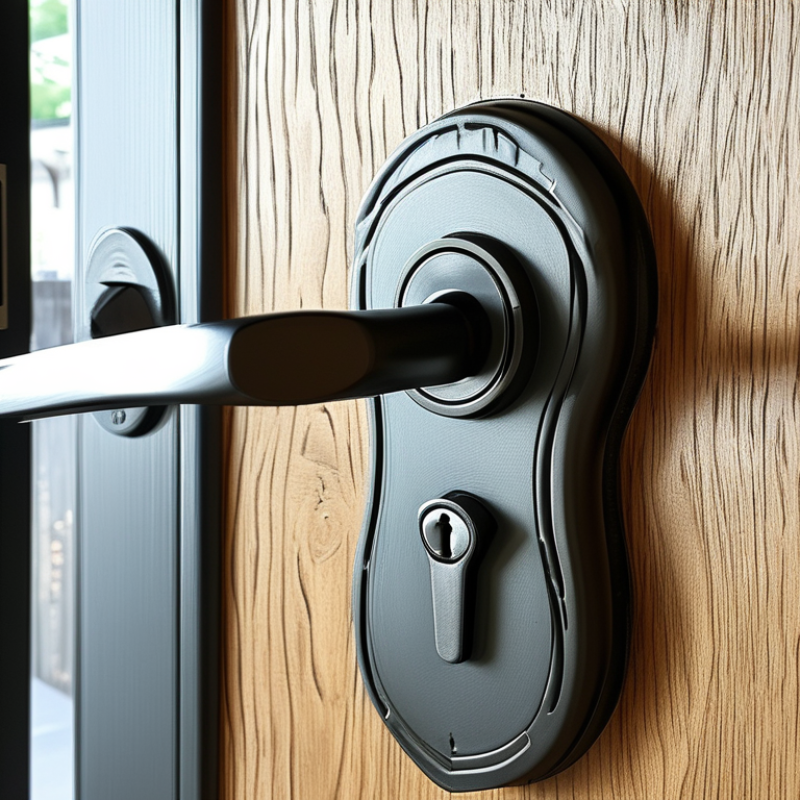
When choosing a smart lock for your pivot entrance door, consider the weight and design of the door. Pivot doors can be heavier and may require locks that are robust enough to handle the pressure and usage. Look for locks specifically designed for heavy-duty applications. The size of the lock mechanism is also critical. Ensure it fits the dimensions of your pivot door without compromising security.
Security features are another essential factor. Many smart locks now offer advanced encryption and two-factor authentication. Research the technology behind these locks. Some offer smartphone integration, while others may have keypads or biometric access options. Choose a lock that aligns with your lifestyle and security needs.
Installation can sometimes present challenges. Not all smart locks are easy to install on pivot doors. Seek locks that provide clear instructions. It’s also important to read reviews from other users. This feedback can give insight into the ease of use and reliability of the lock. If feedback mentions installation difficulties or security flaws, it might warrant further exploration.
When connecting a smart lock to a pivot entrance door, assessing compatibility is crucial. Pivot doors often have unique hardware and design. This can affect how a smart lock operates. You need to confirm if the lock can fit the door’s specific style.
Measure the thickness and spacing of your door hardware. Smart locks typically require specific dimensions for successful installation.
It’s also essential to consider the door’s weight and swing direction. If your pivot door is heavy, you might need a robust smart lock. Not every smart lock can handle significant weight or size variations. Check user reviews to gather insights about performance issues.
Sometimes, locks described as compatible may not work as expected on pivot doors.
Test the installation thoroughly post-setup to ensure it functions correctly.
While many resources exist, not all provide accurate or practical advice. Some may overlook unique factors of pivot doors. Consider consulting experts familiar with both smart locks and pivot door designs. This could save you time and effort down the line. Reflecting on your installation experience can also highlight areas for improvement.
Keep an open mind to adjustments in your approach for better outcomes.
Installing a smart lock on your pivot entrance door might seem simple, but a systematic approach is essential. Start by gathering your tools: a screwdriver, drill, and the smart lock kit. The installation process often requires precision. According to a recent study, 70% of home security failures stem from improper installation.
Begin by removing the existing lock. Ensure you have the measurements for the new lock, as mismatches can lead to security risks. Fit the smart lock into the door. The alignment is critical; a misaligned lock can compromise its efficacy. Remember, about 30% of users report difficulties during the alignment phase. Take your time.
Next, configure the smart lock. Connect it to your home network following the manufacturer's instructions. Many users overlook this step. A review of consumer reports shows that roughly 40% of people face connectivity issues post-installation. Always scan for software updates to enhance security features. Watching tutorial videos can also provide additional guidance. Engaging with these resources reflects a proactive approach to your home’s security.
Configuring smart locks through mobile apps allows users to customize security experiences. After installation, download the corresponding app. Create an account and follow setup instructions. Connection involves syncing the lock to your Wi-Fi network or using Bluetooth.
Once connected, explore features tailored to your needs. You can manage access codes for family and guests. Setting schedules is useful for limiting access at certain times. Remote unlocking can provide convenience but also raises security questions. Always consider who is accessing your home.
Regularly check for updates in the app. New features might enhance your lock's functionality. Reviews from other users can give insights into potential issues. Keeping your lock's firmware updated is essential for security. In the end, finding a balance between convenience and security requires thoughtful planning.
| Feature | Description | Setting | Compatibility |
|---|---|---|---|
| Bluetooth Connectivity | Allows locking and unlocking via smartphone within range. | Enable/Disable Bluetooth | iOS & Android devices |
| Remote Access | Unlock the door from anywhere using the app. | Set Time Restrictions | Wi-Fi compatible devices |
| Auto Lock | Automatically secures the door after a set duration. | Activate/Deactivate Timer | All compatible locks |
| User Management | Add or remove users for access control. | Manage User Permissions | Smartphones & tablets |
| Activity Log | View history of lock/unlock actions. | Access logs | App Compatible |
Smart locks bring convenience to pivot entrance doors, but they can present some challenges. One common issue is connectivity. Ensure your lock is within range of the Wi-Fi signal. Thick walls or metal obstructions can disrupt the communication. Also, check if the firmware is updated. Outdated software can cause functionality problems.
Another frequent problem arises during the installation process. Proper alignment is crucial for the lock's mechanism to engage. If the bolt does not align with the strike plate, it may fail to secure the door. Use a level and adjust as necessary. Sometimes, recalibrating the lock helps. Follow the manufacturer’s instructions closely, as small misalignments can lead to significant issues.
Batteries also deserve attention. An error might occur if they are low on power. Regularly test your lock's battery status. If the lock beeps or lights flash, it's time for a replacement. It’s essential to keep notes on these maintenance tasks, as neglect can lead to frustration. By addressing these common issues thoughtfully, users can enjoy the benefits of smart locks effectively.
: Consider the weight and design of the door. Look for locks built for heavy-duty use.
Security features are essential. Advanced encryption and two-factor authentication enhance protection.
No, installation can be challenging. Seek locks with clear instructions and user feedback.
Measure the door's thickness and spacing. Consider the weight and swing direction of the door.
Download the app, create an account, and follow connection steps to sync with your lock.
You can manage access codes, set schedules, and utilize remote unlocking for convenience.
Yes, regular updates improve functionality and security. Check for new features regularly.
Reviews offer insights into usability and reliability. Look for mentions of installation issues or flaws.
Test the installation thoroughly. Be open to adjustments for better performance.
Yes, consulting experts can provide valuable insights. They can help you avoid common pitfalls.
In the article "How to Connect a Smart Lock to Your Pivot Entrance Door," readers learn how to integrate a smart lock with a pivot entrance door effectively. The first step involves choosing the right smart lock suitable for pivot doors, taking into consideration factors such as size, locking mechanisms, and security features. Next, the article emphasizes the importance of assessing compatibility with existing pivot door hardware to ensure smooth installation and functionality.
The article provides a detailed, step-by-step installation process to guide users through the smart lock setup. Furthermore, it outlines how to configure various features and settings via a dedicated app, enabling personalized security options. Finally, common troubleshooting advice is offered to address potential issues that may arise with smart locks on pivot doors, ensuring a seamless user experience.
