When considering how to choose the right glass for a frameless partition door, it is crucial to understand the various types available. According to industry research by the Glass Association, over 60% of modern office designs incorporate glass features to enhance aesthetics and functionality. These partitions not only create an open feel but also improve collaboration among teams. However, not all glass options are equal in performance or safety.
The choice of glass impacts privacy, sound insulation, and energy efficiency. For instance, laminated glass can offer significant sound reduction, making it ideal for conference rooms. Yet, selecting the wrong type can lead to issues like excessive glare or inadequate safety. Often, project managers overlook these details, resulting in costly adjustments post-installation. Understanding the specific needs of your space is vital.
When exploring how to choose the right glass for a frameless partition door, consider both current trends and long-term functionality. Research shows that tempered glass is increasingly favored for its strength and safety. Still, factors like thickness, transparency, and UV resistance warrant careful evaluation. Balancing aesthetics and practicality is key in making a wise decision.
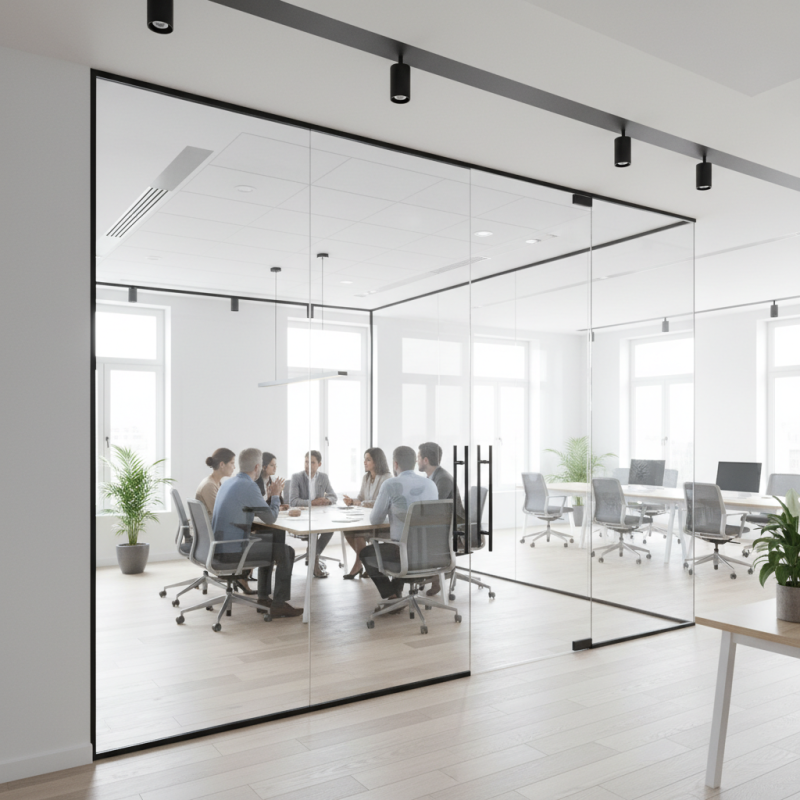
Understanding Frameless Partition Doors and Their Components
Frameless partition doors have gained popularity in modern architecture due to their sleek, minimalist design. These doors are typically made from large sheets of tempered glass, allowing for unobstructed views and natural light. Understanding their components is crucial for effective selection and installation.
The key components of a frameless partition door include the glass panels, hinges, and hardware. Each element must meet specific safety and performance standards. According to a report by the Glass Association, tempered glass is up to five times stronger than standard glass. This strength is vital in high-traffic areas, reducing the risk of breakage. Notably, the choice of hardware greatly influences the door's aesthetics and functionality.
**Tips:** Consider the thickness of the glass. A thickness of at least 10 mm is recommended for durability. Evaluate the hardware material; stainless steel is often preferred for its corrosion resistance and longevity. Furthermore, ensure proper installation by professionals to avoid potential issues with alignment and performance. Choosing appropriate components is essential for maximizing both safety and style in your space.
Types of Glass Used in Frameless Partition Doors and Their Properties
When selecting glass for frameless partition doors, it’s crucial to understand the types available and their properties. Clear tempered glass is a popular choice due to its strength and transparency. This type of glass can withstand high impacts and is less likely to shatter. It offers a modern look, making it ideal for office spaces and contemporary homes.
Another option is frosted glass. It provides privacy while maintaining natural light. Frosted glass diffuses light, creating a soft ambiance. However, it may not be as durable as tempered glass. Consider your specific needs—frosted glass might require additional care to avoid scratches.
Laminated glass is another contender. It consists of two or more glass layers bonded together. This type offers enhanced safety due to its ability to hold together when shattered. In high-traffic areas, this feature can be especially beneficial. However, it can be heavier and more expensive. Each type has its advantages and limitations. Evaluating your space’s requirements is key to making the right choice.
Evaluating Strength and Safety Standards for Glass in Commercial Use
When selecting glass for frameless partition doors in commercial spaces, strength and safety standards are paramount. Glass used in these applications must meet specific criteria to ensure durability and security. The American National Standards Institute (ANSI) and the Glass Association of North America (GANA) provide important guidelines regarding the performance of glass under various conditions. According to GANA, tempered glass can withstand impacts from objects, reducing the likelihood of shattering.
Understanding the need for reliable glass is crucial. In busy offices, the risk of accidents increases. Data from the National Safety Council reveals that falling glass is a significant concern, leading to injuries and property damage. This emphasizes the importance of using safety-rated glass. Laminated glass is another option; it holds together even when shattered, offering an additional safety net.
Moreover, it's vital to consider the environment where the glass will be installed. High-traffic areas require glass that can handle wear without compromising on safety. Yet, some facilities may ignore these standards, leading to potential liabilities. Conducting a thorough evaluation of the space and usage is essential. Consulting with experts can avoid costly mistakes that arise from improper glass choice.
Insulation and Energy Efficiency Ratings for Glass Selection
When selecting glass for frameless partition doors, insulation and energy efficiency are crucial. The U.S. Department of Energy states that properly insulated glass can reduce energy consumption by up to 30%. High-performance glass often features low-emissivity (Low-E) coatings, which reflect heat and keep spaces comfortable. Such coatings improve energy efficiency ratings significantly, making them a smart choice for modern designs.
Choosing the right insulation starts with understanding R-values. The higher the R-value, the better the insulation. Double-glazed or triple-glazed options usually offer superior insulation compared to single-pane glass. Reports suggest that triple glazing can provide up to 50% more energy efficiency than single-glazed glass. This could lead to lower heating costs in winter and reduced cooling costs in summer.
Tip: Consider the local climate while selecting glass. In colder regions, prioritize higher R-values. In warmer climates, solar heat gain coefficients can be more important. Also, while many manufacturers offer great products, always check their performance data. Look for certified ratings from reliable sources like the National Fenestration Rating Council (NFRC). These ratings ensure you’re making an informed choice.
Energy Efficiency Ratings for Different Glass Types Used in Frameless Partition Doors
Aesthetic Considerations: Clear vs. Tinted vs. Frosted Glass Options
When choosing glass for frameless partition doors, aesthetics play a vital role. Clear, tinted, and frosted glass each offers unique visual impact. According to industry reports, clear glass remains the most popular choice, comprising about 70% of the market. Its transparency maximizes natural light and enhances openness in a space. This option is especially favored in modern office designs, where collaboration and visibility are crucial.
Tinted glass, while less common, provides energy efficiency. It blocks harmful UV rays and reduces glare. Studies show that using tinted options can lower energy costs by up to 15%, making it an attractive choice for larger commercial spaces. However, it can darken a room. Therefore, careful consideration of the surrounding lighting is essential.
Frosted glass is gaining traction for its privacy benefits while still allowing light to filter through. It’s typically used in areas like conference rooms or restrooms. However, the design may sometimes look bland in contemporary settings. Less than 20% of designers currently choose frosted glass due to this concern. When selecting the right glass, weigh your aesthetic goals against practical needs for functionality and light management.
FAQS
: They are typically made from large sheets of tempered glass.
It is up to five times stronger than standard glass, reducing breakage risk.
Key components include glass panels, hinges, and hardware.
A thickness of at least 10 mm is recommended.
Professional installation prevents alignment issues and enhances performance.
Glass must adhere to ANSI and GANA safety and performance guidelines.
It holds together when shattered, providing an additional safety feature.
Consider the environment, usage, and potential wear on the glass.
Ignoring standards may lead to injuries and property damage.
Experts can help avoid costly mistakes from improper glass selection.
Conclusion
When considering how to choose the right glass for a frameless partition door, it is essential to understand the various components and their functionalities. Frameless partition doors offer a sleek, modern aesthetic, and the choice of glass plays a crucial role in both safety and appearance. There are several types of glass available, each with distinct properties that serve different purposes, ranging from enhanced durability to appealing aesthetics.
Evaluating the strength and safety standards is paramount, especially for commercial use, ensuring that the selected glass can withstand daily wear while protecting occupants. Furthermore, insulation and energy efficiency ratings should not be overlooked, as these factors contribute to the overall environmental impact and comfort of the space. Finally, aesthetic considerations like the choice between clear, tinted, or frosted glass can significantly influence the ambiance, making it vital to assess all options thoroughly to achieve the desired look and functionality.
 Slander Door
