When considering patio doors, the choice between aluminum and wood is significant. Aluminum offers durability, energy efficiency, and low maintenance. As Susan Blake, an industry expert at EcoHome Solutions, states, "Choosing aluminum means investing in longevity and performance."
Why use aluminum over wood for exterior patio doors? The reasons are many. Aluminum withstands various weather conditions better than wood. It resists warping, cracking, and fading. While wood can provide natural beauty, it often requires more upkeep. Aluminum doors are sleek and modern, creating a more contemporary aesthetic.
Moreover, aluminum is known for its recyclability. This choice reflects not only personal preference but also a commitment to sustainability. However, the initial cost of aluminum can be higher than wood. Some homeowners might find themselves reflecting on their budget constraints. In the end, understanding what fits best for your home is crucial.
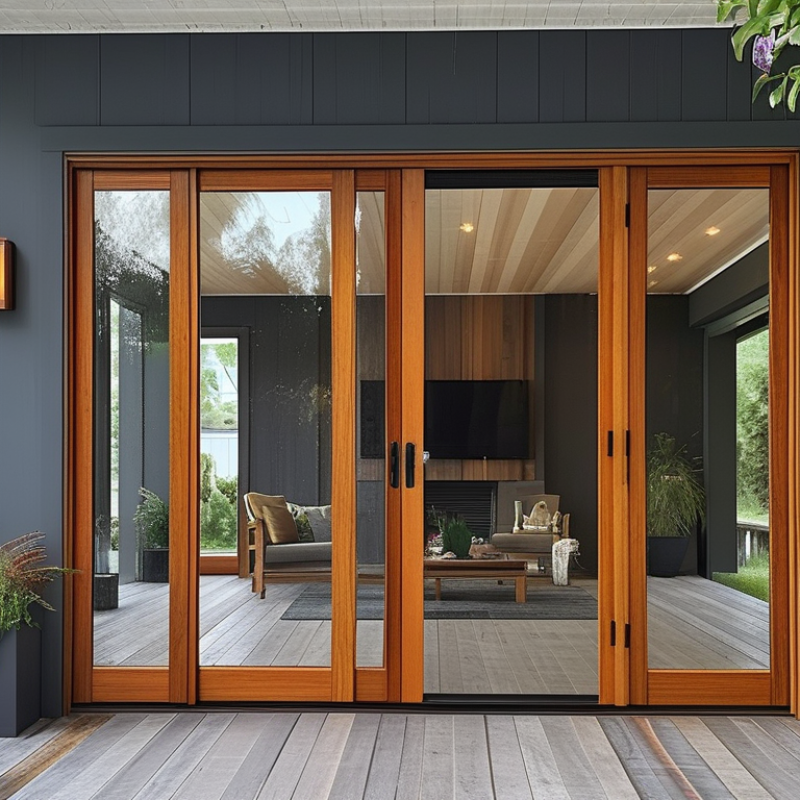
Benefits of Aluminum Patio Doors Over Wood Options
Aluminum patio doors stand out as a modern choice over traditional wood options. One major benefit is durability. Aluminum resists warping, cracking, and peeling, unlike wood, which can be susceptible to moisture damage. This makes aluminum doors a reliable investment for homeowners who seek longevity in their patio door choices.
Maintenance is another key advantage. Aluminum requires minimal upkeep compared to wood. Owners do not need to paint or stain aluminum regularly, saving time and effort. A simple wipe-down is often all that is needed to keep aluminum doors looking new. Many people choose aluminum, valuing this ease of care. Yet, some may miss the warmth and natural appearance of wood.
Energy efficiency also plays a significant role. Aluminum doors can feature thermal breaks, providing excellent insulation. This reduces heating and cooling costs. Homeowners often appreciate this benefit, acknowledging that energy savings add up over time. However, the initial cost of aluminum doors may be higher than wood, leading some to rethink their choices. Balancing upfront costs with long-term savings can be challenging but ultimately rewarding.
Durability: How Aluminum Outlasts Wood in Various Environments
When considering patio doors, aluminum stands out for its unmatched durability compared to wood. Research indicates that aluminum can withstand extreme weather conditions better than wood. According to the American Wood Council, wood can warp or rot with moisture exposure. Conversely, aluminum is resistant to corrosion, making it ideal for coastal areas.
Aluminum’s strength offers longevity. A study from the Aluminum Association reveals that aluminum doors can last up to 30 years with minimal maintenance. In contrast, wooden doors often require frequent repainting or refinishing. Data show that homeowners spend significant amounts on wood upkeep. This expense can be avoided with aluminum options.
Moreover, aluminum's thermal efficiency benefits homeowners. Insulated aluminum doors can decrease energy costs significantly. A report by the Department of Energy states that proper insulation can reduce heating and cooling expenses by 20-30%. While some may prefer wood's aesthetic appeal, the practicality of aluminum cannot be ignored. When analyzing long-term value, aluminum presents a reliable choice for patio doors.
Why Choose Aluminum Instead of Wood for Patio Doors?
This chart compares the durability of aluminum against wood in key areas important for patio doors. Aluminum outperforms wood in moisture resistance, termite resistance, UV resistance, and has lower maintenance frequency, leading to a longer lifespan.
Maintenance: The Low-Care Advantage of Aluminum Doors
When considering patio doors, aluminum offers a maintenance advantage over wood. Aluminum doors resist rust, rot, and corrosion, making them ideal for various climates. According to the American Institute of Steel Construction, aluminum is five times more durable than wood. This resilience reduces the need for regular upkeep.
Wood requires periodic staining or painting. This can take days when factoring in drying times. In contrast, aluminum doors only need occasional cleaning to maintain their appearance. A study by the National Association of Home Builders found homeowners spend about 30% more time on wood maintenance compared to aluminum. This difference can lead to frustration for busy individuals.
Moreover, aluminum is environmentally sustainable. It can be recycled without losing strength. The U.S. Environmental Protection Agency indicates that recycling aluminum saves 90% of the energy required to create new aluminum. Thus, making the switch not only saves time but also positively impacts the environment.
Aesthetic Versatility: Customization Options for Aluminum Patio Doors
Aluminum patio doors offer incredible aesthetic versatility. Homeowners can choose from numerous designs, colors, and finishes. This adaptability allows for seamless integration with various architectural styles. Whether you prefer a sleek modern look or a classic touch, aluminum doors can meet your vision.
Customization is one of the main attractions of aluminum doors. You can opt for different handle styles and glazing options. Some might choose clear glass for unobstructed views. Others may prefer tinted or frosted glass for privacy. These choices not only enhance the appearance but also improve functionality.
Tips: Consider the climate in your area. Aluminum is resistant to weather effects, unlike wood. It won’t warp or crack due to humidity. This reliability is essential for long-term performance. Think about maintenance as well. Aluminum requires minimal upkeep compared to wood, which needs regular sealing and painting.
Also, think about energy efficiency. Look for aluminum doors with thermal breaks. They help keep the interior comfortable year-round. The right options can make a noticeable impact on energy bills. Always evaluate your specific needs before making a decision. Balance aesthetics with practicality for the best result.
Energy Efficiency: Comparing Insulation Properties of Aluminum vs. Wood
When choosing patio doors, energy efficiency is a crucial factor. Aluminum doors often outperform wood in insulation properties. This is primarily due to modern thermal breaks incorporated into aluminum frames, which reduce heat transfer. In contrast, wood doors can be less effective over time as they may warp or crack, impacting their insulation.
Moreover, aluminum is resistant to moisture, which helps maintain a consistent temperature inside the home. Wood can absorb humidity, leading to expansion and contraction. This cycle can create gaps and allow air leakage, ultimately increasing energy costs. An energy audit could reveal significant losses linked to poorly insulated wooden doors.
While aluminum doors may appear less aesthetically warm than wood, they offer greater longevity and less maintenance. Some may prefer wood for its natural appeal. However, if you prioritize energy savings, aluminum is a more reliable choice. Reflecting on these factors can enable better decision-making when selecting patio doors.
FAQS
: Aluminum doors are more durable than wood and resist warping, cracking, and peeling.
Aluminum requires minimal upkeep; regular cleaning suffices, while wood needs periodic staining and painting, which can be time-consuming.
Yes, aluminum doors can feature thermal breaks, significantly reducing heating and cooling costs for homeowners.
Aluminum doors can last up to 30 years with minimal maintenance, unlike wooden doors that require frequent upkeep.
They may have a higher initial cost than wood doors, which can make homeowners reconsider their choices based on budgets.
Yes, aluminum can be recycled, saving 90% of the energy needed to create new aluminum.
Yes, many appreciate wood for its warmth and natural appearance, even if aluminum offers practical benefits.
Some homeowners may miss the aesthetic charm and texture of wood, despite aluminum's advantages.
Aluminum resists corrosion and withstands harsh weather better than wood, which can warp or rot.
The upfront cost can be a concern, but long-term savings in maintenance and energy efficiency may outweigh this.
Conclusion
When considering exterior patio doors, a common question arises: "Why use aluminum over wood for exterior patio doors?" Aluminum patio doors offer several advantages that make them an appealing choice. Firstly, their durability stands out, as aluminum can withstand various environmental conditions without warping, cracking, or rotting like wood. This durability translates to a longer lifespan, making aluminum a cost-effective investment.
Additionally, aluminum doors require minimal maintenance compared to their wooden counterparts. They do not need regular painting or staining, which saves time and effort for homeowners. Aesthetic versatility is another key benefit, as aluminum can be customized in various finishes and designs to suit any home's style. Lastly, when it comes to energy efficiency, aluminum doors now come with improved insulation properties, making them competitive with wood. Overall, choosing aluminum over wood for patio doors provides a blend of strength, low maintenance, design flexibility, and energy savings.
 Slander Door
