Slander Door Slander Door

Why Is My Automatic Sensor Door Opening By Itself?

Time:2026-07-27 Author:Mason
0%

Automatic sensor doors are convenient but can sometimes malfunction. One common issue is when you find yourself asking, "Why is my automatic sensor door opening by itself?" This can be frustrating and confusing.

Experts like Dr. Sarah Thompson, a specialist in automatic door systems, emphasize, "Unexpected door openings can stem from various factors, ranging from sensor sensitivity to environmental interference." This insight helps clarify that multiple elements can contribute to this problem.

Environmental factors, such as wind or passing pedestrians, can trigger these sensors mistakenly. Additionally, sensor misalignment or dust accumulation can disrupt their function. In some cases, it may simply be a sign that the system needs recalibration. Recognizing these potential issues can lead to effective troubleshooting and peace of mind. So, the next time you face the question of why your automatic sensor door opens unexpectedly, consider these expert insights and evaluate your environment thoroughly.
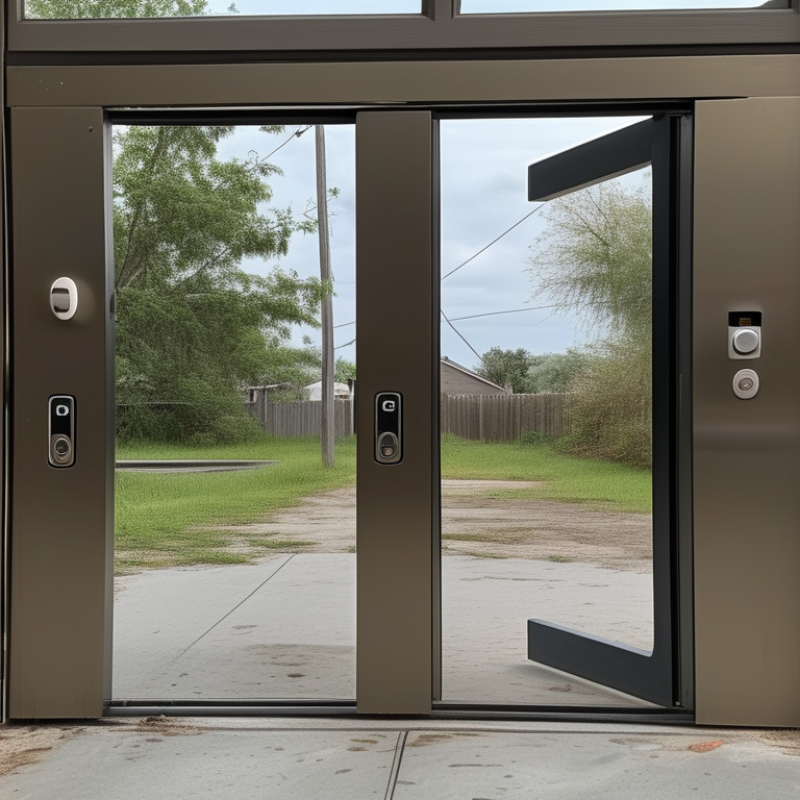
Why Is My Automatic Sensor Door Opening By Itself?

Understanding Automatic Sensor Door Functions

Automatic sensor doors rely on a range of functions to operate smoothly. These doors are equipped with sensors that detect movement, allowing for hands-free access. When an individual approaches, the sensor activates, prompting the door to open. However, this system can sometimes misinterpret signals. For instance, environmental factors like wind or changes in light can trigger the sensors unexpectedly.

Maintenance plays a crucial role in the reliability of these doors. Regular checks on sensor alignment and functionality help prevent erratic behavior. Dust or debris on sensors can lead to malfunctions. Sometimes, the door's control system might need a reset. Observing the door's response can reveal patterns. If it frequently opens without an obvious trigger, it might need professional attention.

Understanding the functions behind these automated systems can empower users to diagnose issues effectively. Engaging with experienced technicians when problems arise ensures that your door remains in optimal working condition.

Common Causes for Malfunctioning Sensor Doors

Automatic sensor doors are designed for convenience, but they can malfunction for various reasons. One common cause is obstructions in the door's sensor range. Objects like shopping carts or even leaves can trigger the sensors unexpectedly. Regularly check the area around the door to ensure it's clear. It's an easy fix that often goes overlooked.

Another issue could stem from faulty sensor calibration. If the sensors are not aligned correctly, they may misinterpret their environment. This misalignment often occurs through regular wear and tear. A quick visual inspection can help identify if this is the problem. Adjusting the sensors might require a bit of technical know-how or professional assistance. Don't hesitate to reach out for support if you're unsure.

Lastly, environmental factors play a significant role. Changes in lighting or extreme weather can affect sensor performance. For example, bright sunlight might interfere with the infrared sensors. Alternatively, heavy rain or snow may impact the sensors' ability to detect motion. Being aware of these conditions can aid in troubleshooting. Regular maintenance can mitigate many of these problems and ensure smooth operation.

Common Causes for Malfunctioning Sensor Doors

Environmental Factors Affecting Sensor Door Performance

Automatic sensor doors can be sensitive to various environmental factors. One major aspect is temperature. When it's too hot or too cold, sensors may misread and trigger openings. Studies show that extreme temperatures can affect sensor calibration, leading to frequent openings.

Another factor is humidity. High moisture levels can create condensation on sensors. This obstruction can cause unexpected door openings. According to industry reports, about 25% of sensor malfunctions stem from moisture interference. Proper maintenance is essential, yet often overlooked.

Wind can also impact sensor performance. Strong gusts can trigger the sensor’s detection zone, resulting in erratic behavior. In some cases, placement plays a role; poorly positioned sensors may falsely detect movement. Awareness of these elements can help mitigate issues. However, many doors still face malfunctions, highlighting the need for improved sensor technology and better installation practices.

Troubleshooting Steps for Self-Opening Doors

Automatic sensor doors are convenient, but issues can arise. If your door opens by itself, several factors could contribute. Start by checking the sensor's cleanliness. Dust or dirt can obscure the sensor's view. This obstruction might cause the door to open at inappropriate times. Use a soft cloth to wipe the sensor gently.

Next, evaluate the door's alignment. An improperly aligned door can trigger the sensor unexpectedly. Look for gaps between the door and its frame. If you notice any misalignment, adjustments may be necessary. Simple tasks like tightening hinges or repositioning the door can resolve the issue.

Lastly, consider nearby objects. Items placed too close to the sensor can interfere with its function. Rearranging furniture or decorations can help eliminate false triggers. Regular maintenance and attentiveness to these details can prevent frustrating situations with automatic doors. Sometimes, reflection on your environment can lead to better functionality.

Preventive Measures for Automatic Door Issues

Automatic sensor doors are convenient but can malfunction. They may open unexpectedly due to various issues. Understanding preventive measures can save you time and frustration.

Regular maintenance is essential for automatic doors. Dust and debris can interfere with sensors. Keep the area around the door clear to ensure smooth operation. Regularly inspect the sensors for any signs of damage or misalignment. A simple cleaning can often resolve issues.

Tips: Consider installing a barrier or mat to prevent accidental triggering. Educate staff or family members on how the door works. This knowledge can prevent misuse. Lastly, consider scheduling professional inspections to catch potential problems early.

Why Is My Automatic Sensor Door Opening By Itself? - Preventive Measures for Automatic Door Issues

Issue Description Preventive Measure
Faulty Sensors Sensors malfunctioning due to dirt or damage. Regularly clean sensors and inspect for damage.
Environmental Interference Objects or movement outside affect sensor readings. Adjust sensor positioning and remove obstructions.
Electrical Issues Power surges or wiring issues causing erratic behavior. Ensure proper electrical connections and use surge protectors.
Software Glitches Software errors leading to unexpected door openings. Update software regularly and reset the system as needed.

FAQS

: What environmental factors affect automatic sensor doors?

: Temperature, humidity, and wind can significantly impact their performance.

How does temperature influence sensor doors?

Extreme temperatures can misread sensor signals, causing frequent door openings.

What issues can high humidity cause for sensor doors?

High moisture levels can lead to condensation, obstructing sensor function and triggering doors unexpectedly.

Why is regular maintenance important for sensor doors?

Dust and debris can interfere with sensors. Regular cleaning and inspection help maintain proper operation.

How can wind impact sensor door performance?

Strong gusts may trigger sensors, causing erratic door behavior or false detections.

What preventive measures can be taken to avoid door malfunctions?

Keep the area clear, clean sensors regularly, and educate users to prevent misuse.

What might happen if sensors are poorly positioned?

Poor placement may lead to false detection of movement, resulting in unnecessary door openings.

What steps can be taken for effective sensor door maintenance?

Schedule professional inspections and check for any signs of sensor damage or misalignment regularly.

How does debris around the sensor affect its performance?

Debris can block sensors, causing them to malfunction or open unexpectedly.

What role does user education play in preventing issues?

Educating users about door functionality can help prevent accidental triggers and misuse.

Conclusion

If you've ever found yourself wondering, "Why is my automatic sensor door opening by itself?", you're not alone. Automatic sensor doors, designed for convenience and accessibility, can sometimes malfunction due to various reasons. Understanding how these doors work is essential, as issues can stem from malfunctioning sensors, environmental factors like wind or moisture, or even obstructions that trigger the sensors inadvertently.

To troubleshoot self-opening doors, begin by inspecting the sensor for dirt or damage, checking the door's alignment, and ensuring that no external elements are interfering with its function. Regular maintenance and preventive measures, such as cleaning sensors and recalibrating their settings, can help prevent these problems. By addressing the common causes and taking proactive steps, you can ensure your automatic sensor door operates smoothly and effectively.

Mason

Mason

Mason is a seasoned marketing professional with a deep expertise in the company's offerings and a passion for driving brand awareness. With a strong background in digital marketing strategies, he has an innate ability to connect with diverse audiences and effectively communicate product benefits.......