Slander Door
In the world of trade and commerce, security is paramount. Businesses often ask, "Can I automate my manual security grille shutter?" This question is crucial for enhancing safety while streamlining operations. A manual security grille shutter offers protection, but it can be cumbersome to operate manually.
Automating this system may be the solution. An automated shutter provides greater convenience and efficiency. It reduces the need for manual labor and speeds up the opening and closing processes. However, there are challenges. Retrofitting existing systems might require technical expertise. Not every manual shutter is a good candidate for automation.
Moreover, businesses must consider the cost implications. Installing an automated system can be expensive, and return on investment is not instant. Exploring various automation options is essential. New technologies in the market can offer sophisticated features, including remote access. Yet, one must reflect on whether these innovations truly meet specific security needs. Balancing costs, efficiency, and safety is crucial for informed decision-making.
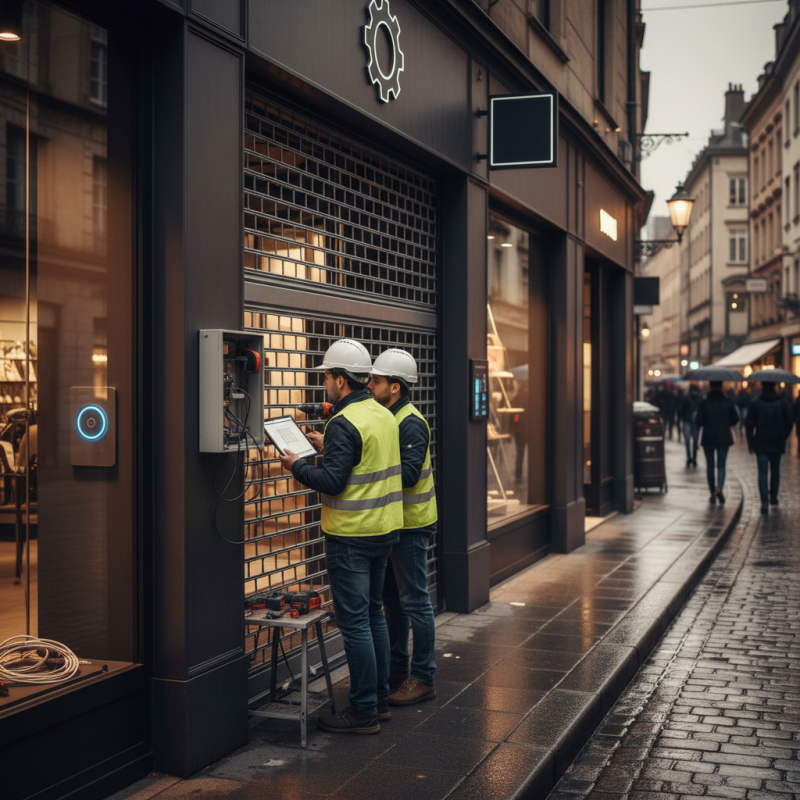
Manual security grille shutters are popular choices for trade businesses that emphasize safety and aesthetics. These shutters offer a robust solution for protecting storefronts without compromising visibility. They allow natural light to filter through while safeguarding valuable inventory from potential theft. The ease of operation is a plus, but there's room for improvement.
However, many users find manual operation tiresome. Pulling a heavy shutter down at the end of the day can be a chore. Every time you do this, there's a chance of wear and tear. A system that automates this process might save effort and time. You could imagine a simple mechanism that would remove the hassle of manual handling. Yet, such solutions can be costly and require maintenance.
Then there's the consideration of installation. Not every building structure easily accommodates automated systems. It's crucial to assess your space before making changes. Some businesses may find that a manual shutter meets their needs without complications. Ultimately, weighing the balance between ease of use and operational costs should guide your decision.
Automating security grille shutters offers numerous advantages, particularly for trade environments. According to a recent industry report, automated systems can increase efficiency by up to 30%. This means less time spent managing security and more focus on other critical business operations. Imagine a situation where a shop owner can control their security from their smartphone, enhancing both convenience and overall security.
These automated systems can provide substantial cost savings. A study revealed that businesses often save around 25% on staffing costs when automation is in place. This is due to reduced manual operations and lowered labor requirements during after-hours security checks. Plus, automated shutters often feature real-time monitoring capabilities, allowing for instant alerts in case of security breaches.
**Tip:** Consider scheduling regular maintenance for your automated system. This can prevent unexpected failures and ensure smooth operation. It's essential to assess the specific needs of your business before making the leap. Not every company requires full automation, and it's worth reflecting on your unique situation. Evaluating your operational flow can reveal unexpected insights.
Automation systems for security grille shutters come in various types, each with distinct features. The most common systems include manual control, electric motors, and smart home integration. Manual systems require physical engagement, but they are not as efficient. Electric motors offer convenience; they can open or close shutters with the push of a button. A report from the International Security Industry Association indicates that automated systems can enhance security by up to 30% compared to manual alternatives.
Smart home integration elevates the level of convenience. Some automation systems are programmed to respond to user preferences and can be controlled remotely via apps. According to market research from MarketsandMarkets, the demand for smart home solutions is expected to grow by 27% annually. However, integrating these systems can be costly. The need for robust Wi-Fi and potential upgrades can present challenges.
While automation offers numerous benefits, it also requires careful consideration. The choice of system impacts effectiveness and future adaptability. Not all systems fit all businesses or homes. Assessing specific security needs is vital. Some users have reported unforeseen issues, such as technological glitches. Balancing functionality, cost, and reliability remains an ongoing challenge in the realm of security automation.
Automating your manual security grille shutter can enhance convenience greatly. This process involves several steps that can be adapted to your specific shutter type. Start by assessing your current setup. Identify the type of manual operation you have. Is it a crank mechanism or a pull-down method? Knowing this will guide your automation choices.
Next, gather the necessary components for the automation. You might need a motor, a power supply, and a remote control system. Ensure the motor you choose can handle the weight and size of your shutter. This part can be tricky. Sometimes, a powerful motor may not fit your specific space.
Installation is the next challenge. Properly mounting the motor can be complex. Follow the provided instructions carefully. Take your time to ensure everything fits well. Testing the system is crucial. Evaluate how smoothly the shutter opens and closes. There may be some delays or inconsistencies at first. Adjustments may be necessary to achieve the desired functionality. Automation is about improvement, but it requires thoughtful reflection on the process.
This chart illustrates the advantages of automating manual security grille shutters vs. keeping them manual based on various dimensions.
When considering automating your manual security grille shutter, important aspects come into play. First, ensure the power source is reliable. Automated systems often depend on electricity. A sudden outage can leave your business vulnerable. It’s wise to have a backup plan in case of power failure. Think about battery-operated options. They may add a layer of security, but you’ll need to monitor battery life regularly.
Maintenance of automated shutter systems cannot be overlooked. Regularly check the moving parts for any signs of wear. Lubricate mechanisms to ensure smooth operation. Dust and debris can interfere with performance. Establish a maintenance schedule to avoid unexpected failures. Don’t forget to test the emergency functions. This ensures that your shutter can be closed if the automation fails.
Automation brings convenience, but it requires responsibility. Sometimes, the system may not respond as expected. Understanding the limitations of your setup is crucial. Being aware of potential issues can save you time and trouble. Ensure you’re prepared to troubleshoot problems when they occur. A proactive approach is always beneficial.
| Consideration | Details | Maintenance Frequency | Common Issues |
|---|---|---|---|
| Drive Mechanism Type | Electric vs. Manual | Check quarterly | Power failures, motor issues |
| Control System | Remote, wall switch, smartphone | Test monthly | Connection failures, software bugs |
| Safety Features | Sensors, emergency stop | Inspect bi-annually | Sensor malfunctions, false alarms |
| Power Supply | Backup battery options | Check yearly | Battery degradation, power outages |
| Installation Requirements | Professional installation recommended | N/A | Improper setup, alignment issues |
: Begin by assessing your current manual operation type. Identify if it uses a crank or pull-down method.
You will need a motor, power supply, and a remote control system suitable for your shutter's size.
Not necessarily. The motor must be strong enough to handle the weight and size of your shutter.
Properly mounting the motor can be complex and requires careful attention to the provided instructions.
Evaluate how smoothly the shutter opens and closes. Watch for any delays or inconsistencies in its operation.
Regular checks on moving parts and lubrication are vital for smooth function and avoiding unexpected failures.
Ensure you know how to troubleshoot and test the emergency functions. Be prepared for potential issues.
A sudden power failure can leave your business open to vulnerability, so consider options for backup power.
Battery life can impact security. Regular checks ensure your system remains functional and reliable.
Automation offers convenience but requires responsibility and reflection on potential limitations and challenges.
In the exploration of whether "Can I automate my manual security grille shutter," it becomes clear that automating these systems offers numerous benefits, including increased convenience and enhanced security. By examining the various types of automation systems available, users can identify the best fit for their specific needs.
Automating a manual security grille shutter typically involves a few key steps, from selecting the appropriate automation system to professional installation. Additionally, it's important to consider ongoing maintenance to ensure optimal functionality and longevity of the automated system. Overall, transitioning to an automated security grille shutter can significantly improve efficiency and security for trade environments.
